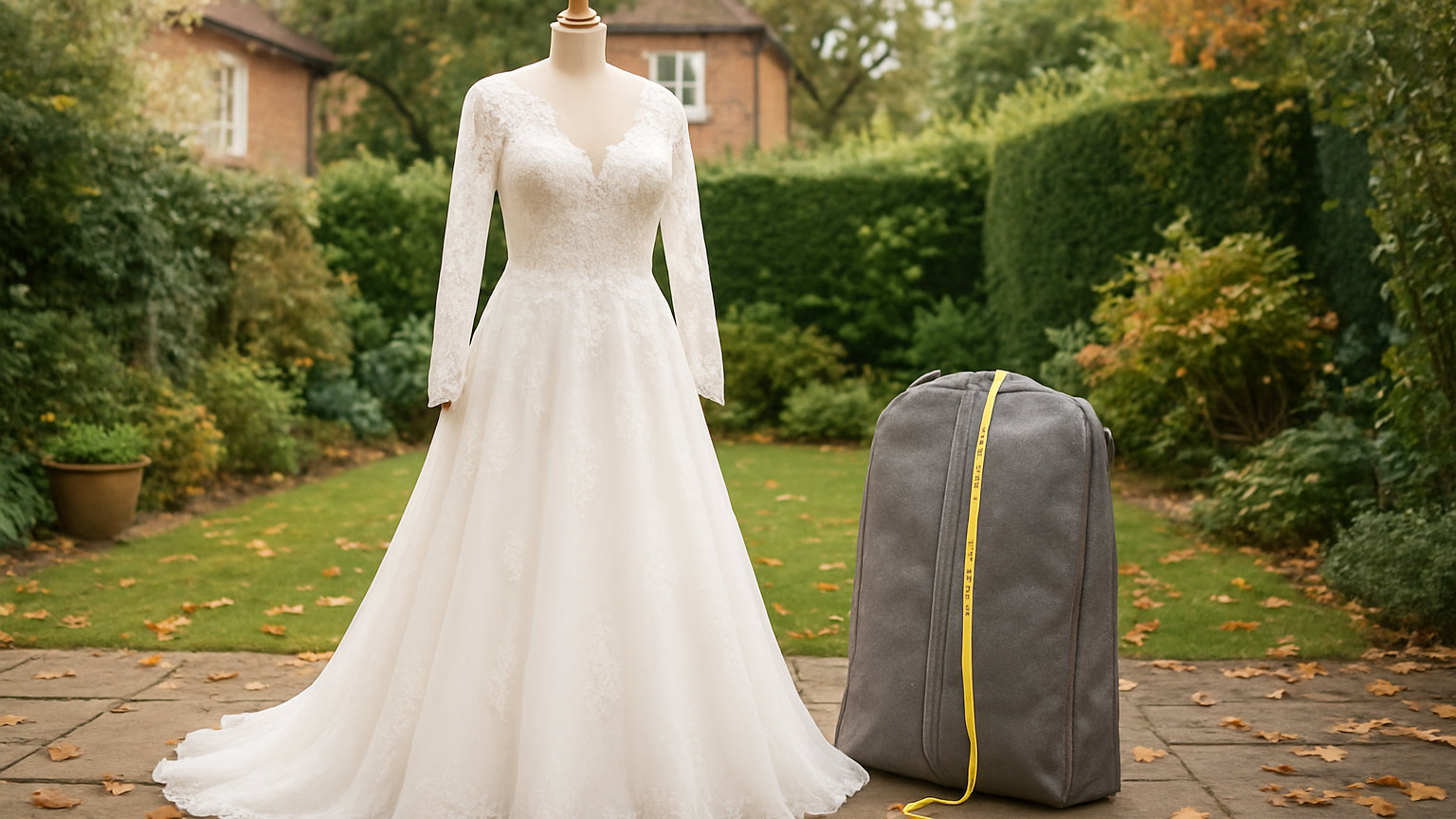
What Happens to the Dress Afterwards?
Cleaning, selling, altering or keeping. What each option involves and why the decision is easier made in the first month than the first year.
By Wedding Answers Editorial
15 Aug 2026

How dress shopping actually works: when to start, how long an order and alterations take, what the sample size in the shop means for you, and how to talk about budget in a boutique without the conversation becoming awkward.
Cleaning, selling, altering or keeping. What each option involves and why the decision is easier made in the first month than the first year.
The weeks between collection and the wedding are where dresses get damaged. How to store it, transport it and deal with problems on the day.
Veils are optional, come in several lengths and behave unpredictably outdoors. What each length does and what to consider.
Shoes set the hem length and determine whether you enjoy the evening. What to consider beyond how they look.
Underwear changes the fit and has to be chosen before the first fitting. What works with different dresses and what to avoid.
Hiring is now an established option with designer dresses available for a fraction of the purchase price. How it works and where it does not.
Both routes produce the same dress at a fraction of the price and both work differently. What to check before buying either.
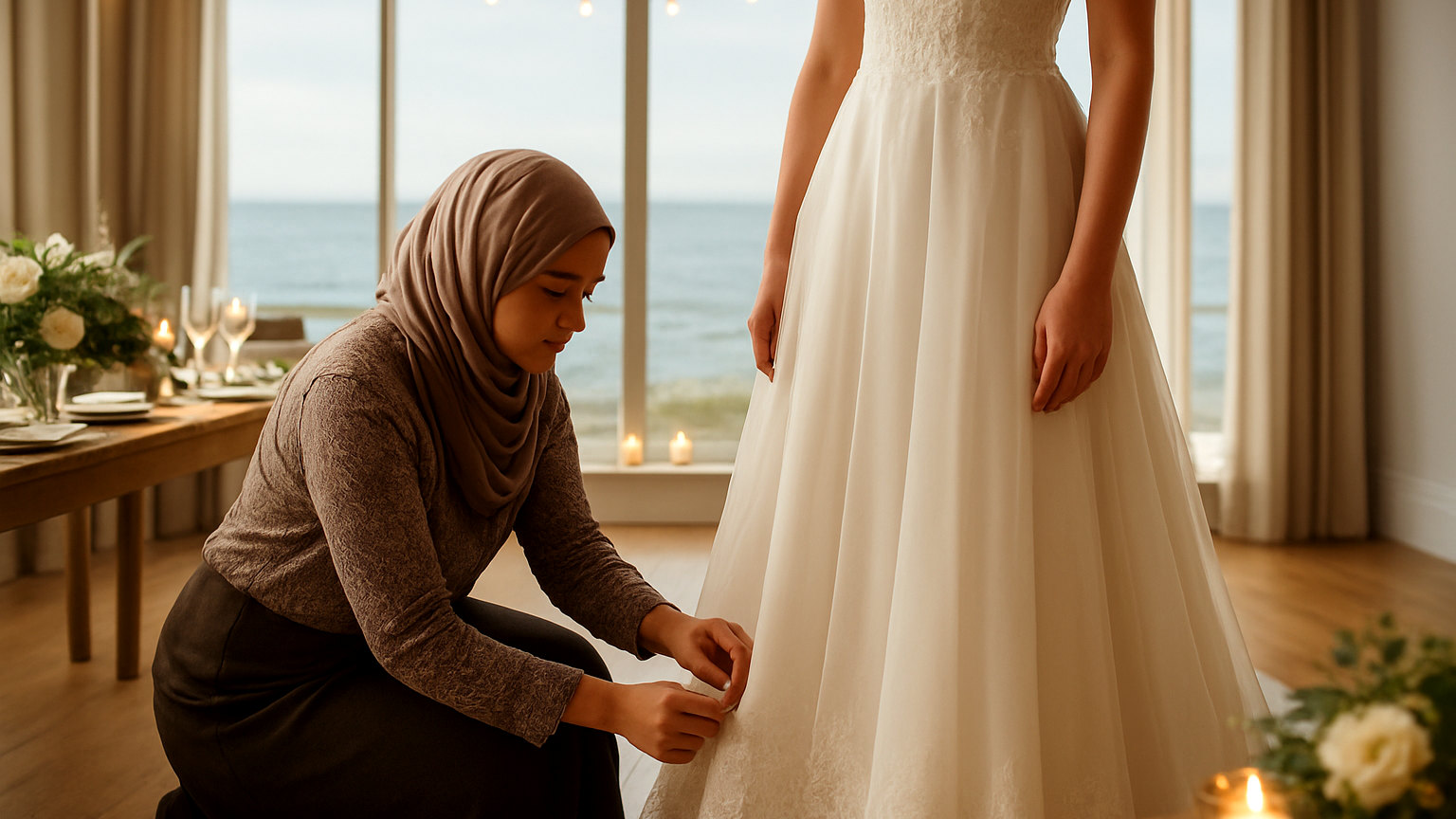
Alterations are the difference between a dress that fits and one that does not, and they are left out of most budgets. What happens and when.
Bridal sizing bears very little relation to high street sizing, and the number on the label means almost nothing. How it actually works.
Fabric determines how a dress moves, photographs and feels to wear. What the common names mean and which suit which conditions.
The practical considerations matter more than the rules. What the venue, the season and twelve hours of wearing it should tell you.
The old conventions about second weddings have largely gone. What remains and what people actually wear now.