How Do Wedding Traditions Differ Across Britain?
Scotland, Wales, Northern Ireland and the English regions have distinct customs, and the legal frameworks differ as well. What varies and where.
Where the traditions came from, who is supposed to pay for what, and which conventions are still worth keeping. Most modern etiquette questions come down to telling people what is happening early enough that nobody is caught out.
Scotland, Wales, Northern Ireland and the English regions have distinct customs, and the legal frameworks differ as well. What varies and where.
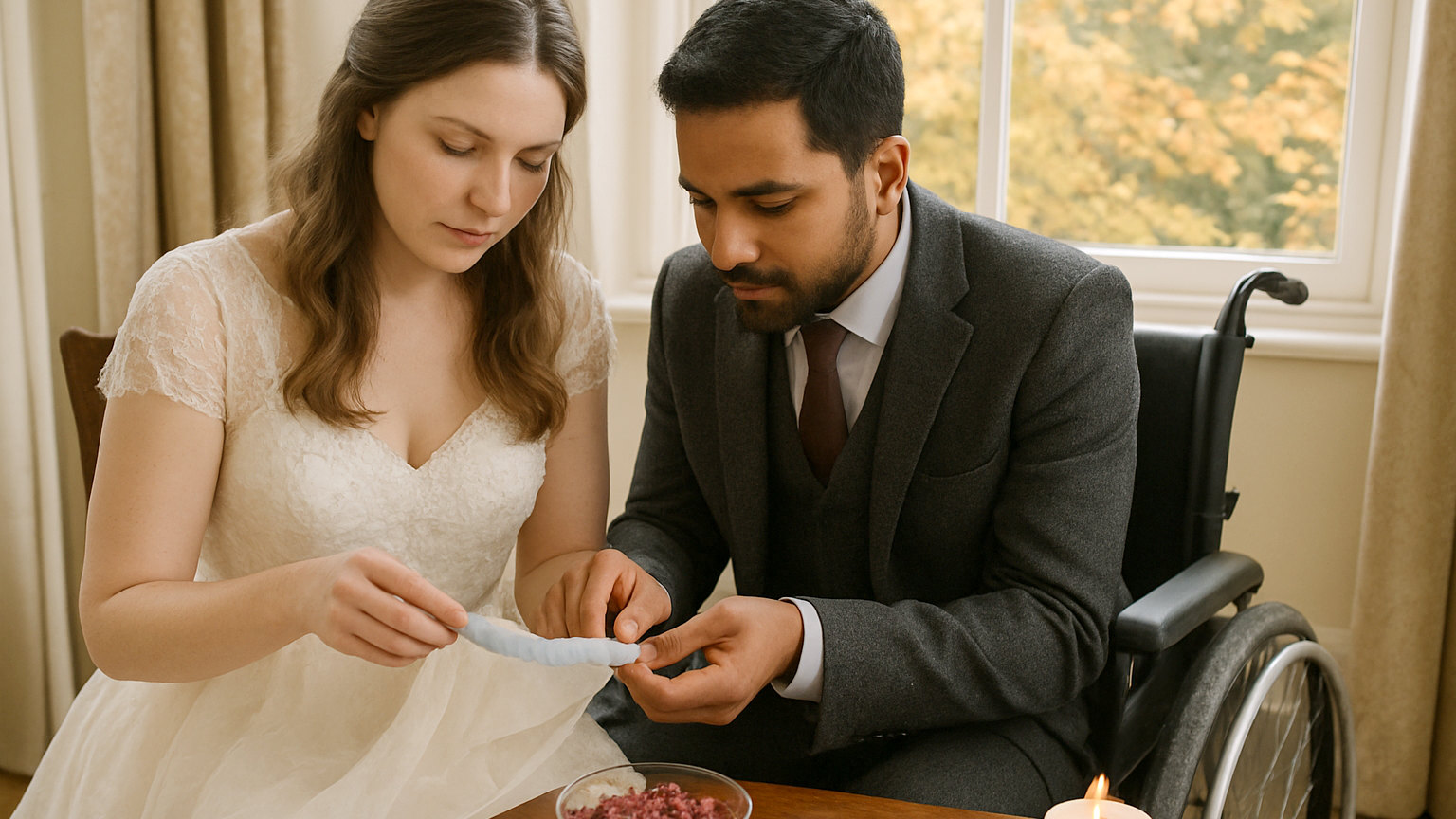
Most traditions are optional and a few do real work on the day. How to tell which ones earn their place and which are being done out of habit.
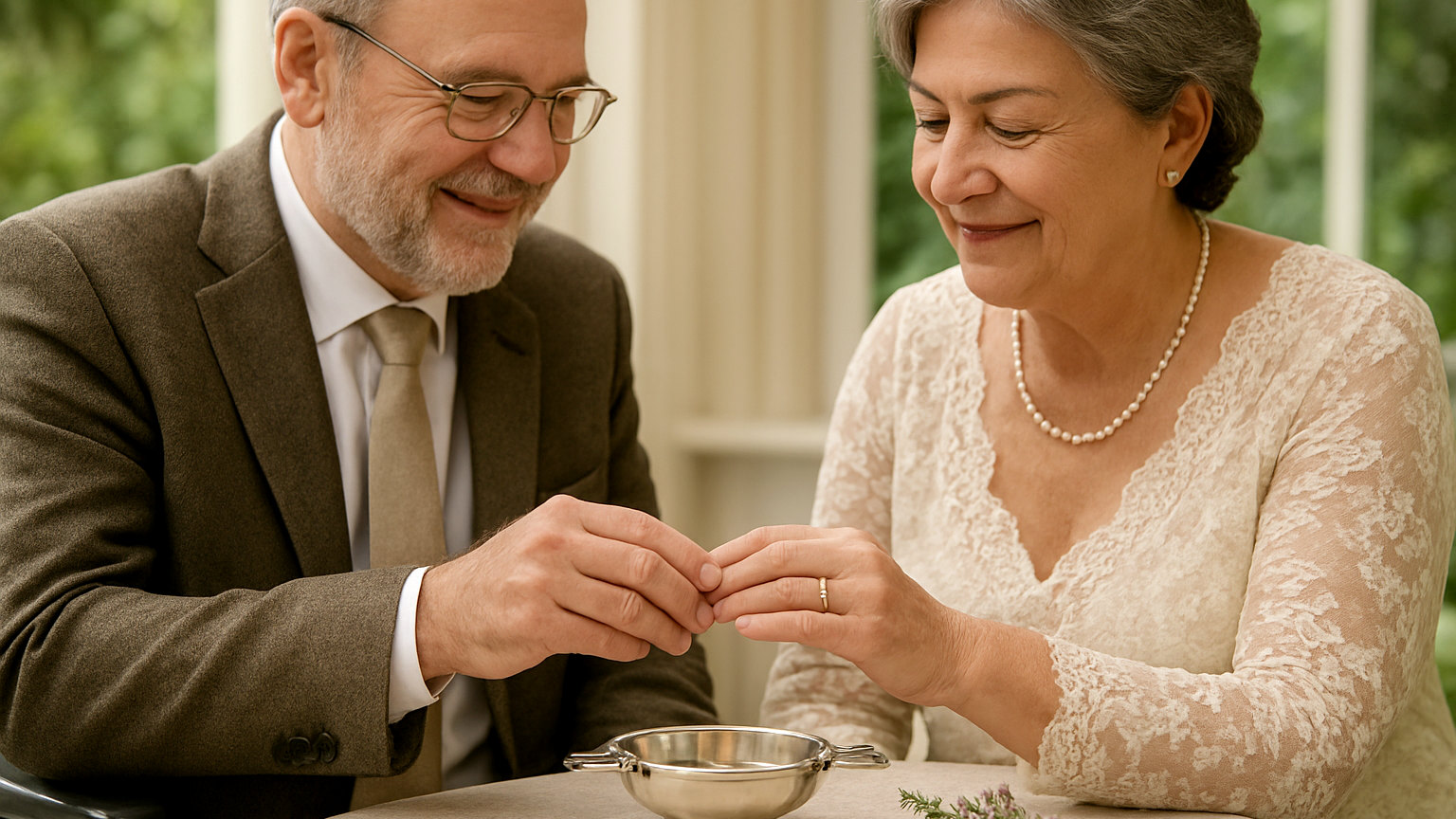
The list of anniversary materials is partly Victorian and partly invented by retailers. Which years are long established and which were added later.
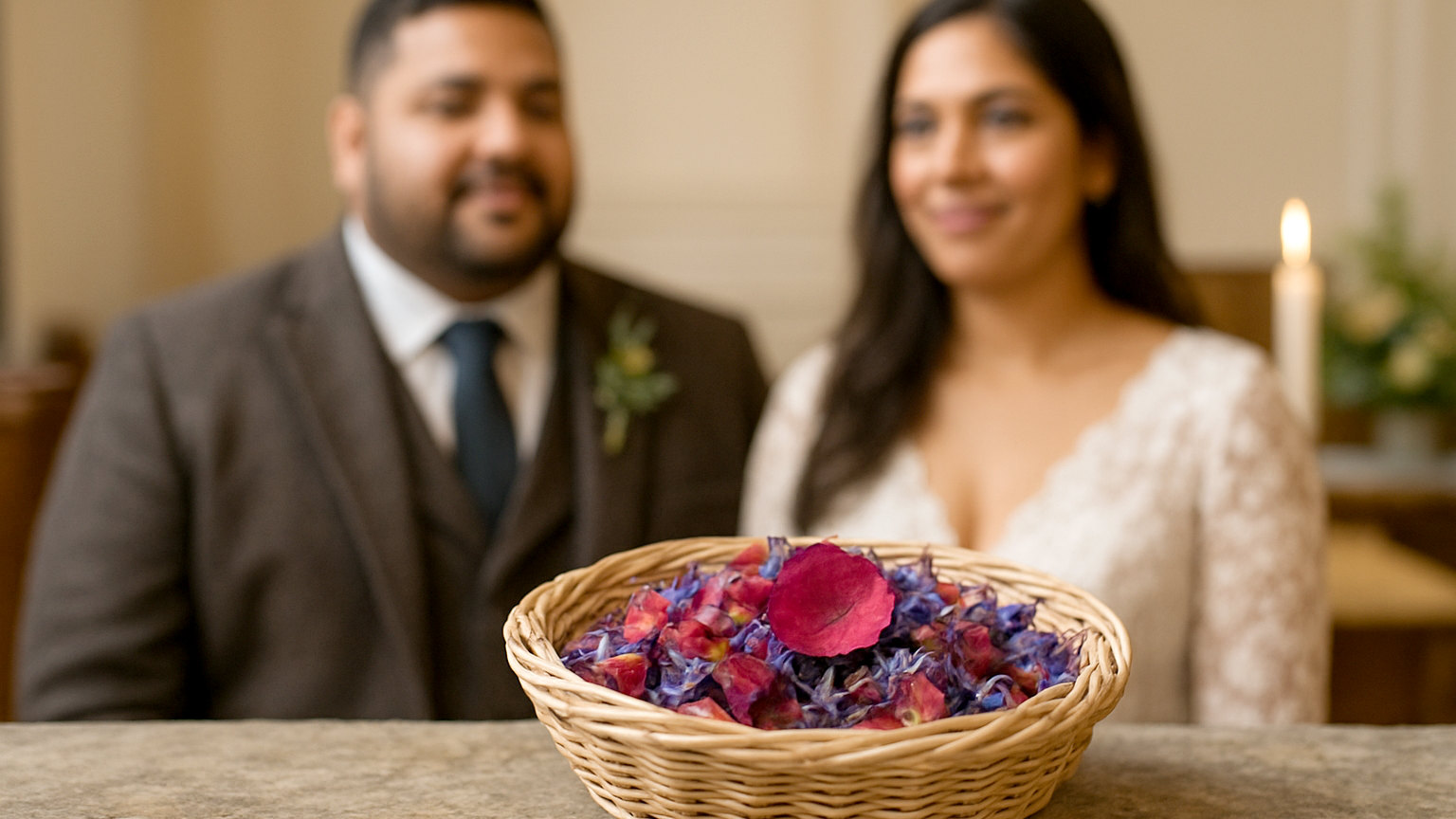
Throwing things at newly married couples is genuinely ancient, though the original items were food. What venues allow now and what to check first.
The usual explanation involves a vein running to the heart, which is not how anatomy works. Where the custom actually comes from and where it varies.
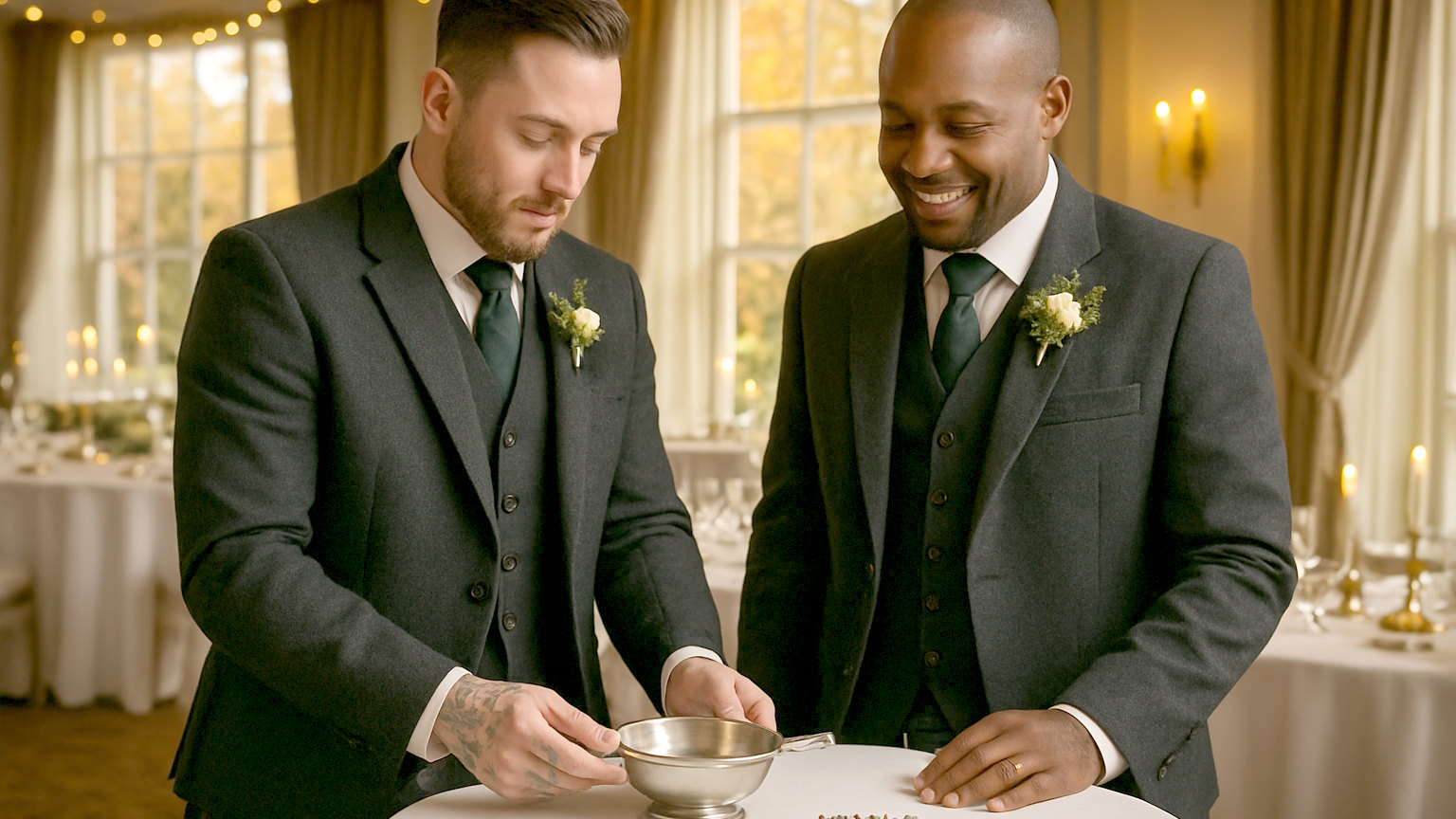
The wedding party began as witnesses and practical helpers rather than as a decorative feature. What each role originally did and what it does now.
The traditional processional comes from a period when a woman was being handed from one household to another. What it involved and what couples do now.
White wedding dresses are less than two centuries old and the reason usually given for them is not the original one. What actually happened in 1840.
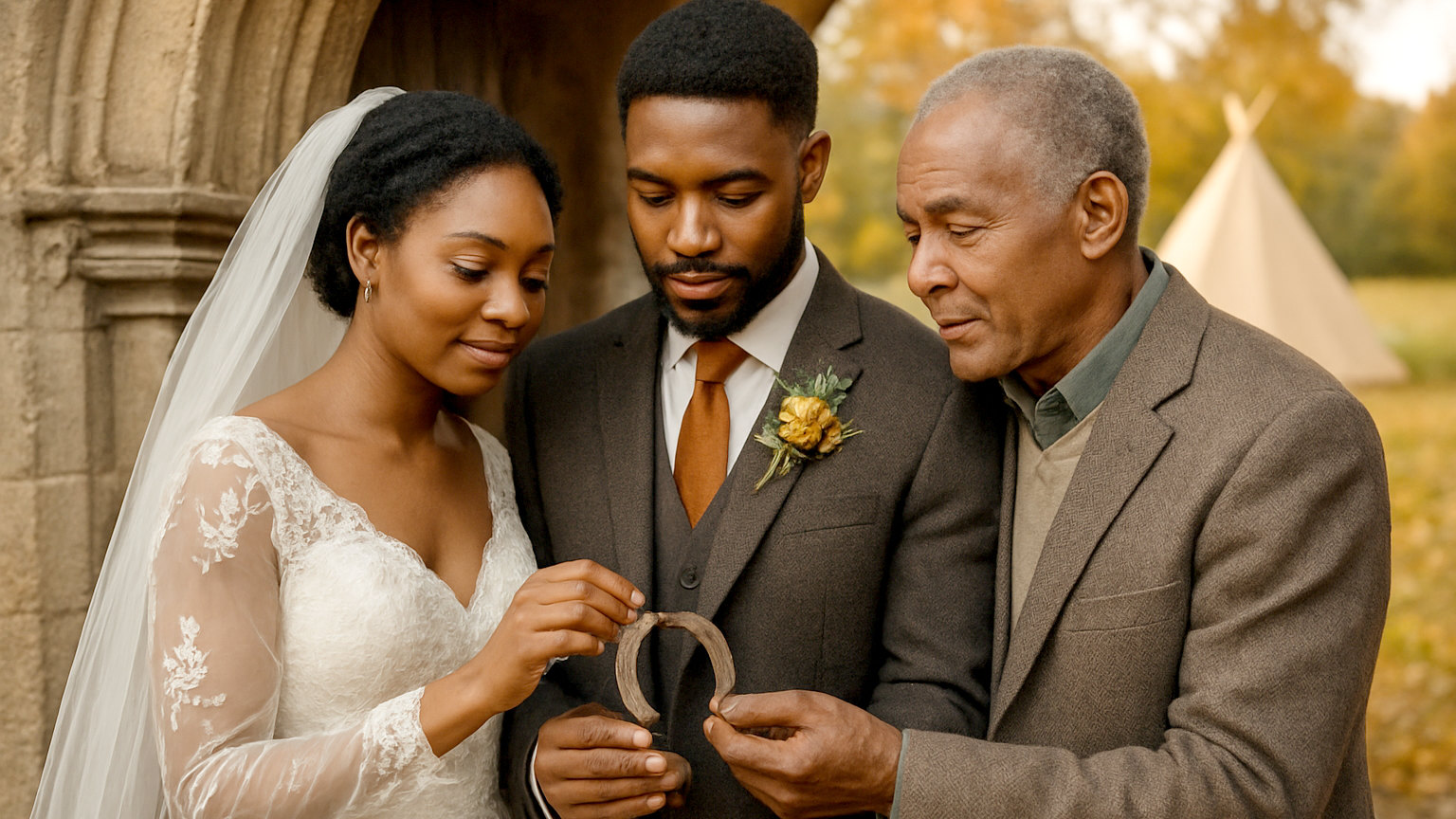
The rhyme is Victorian, has a fifth line most people have forgotten, and each item was originally supposed to do something specific.
Many wedding customs are far younger than they appear and several have origins that were invented afterwards. Which ones are old and which are not.
The traditional division of wedding costs comes from a world of dowries and is largely obsolete. What it actually said and what most couples do now.