
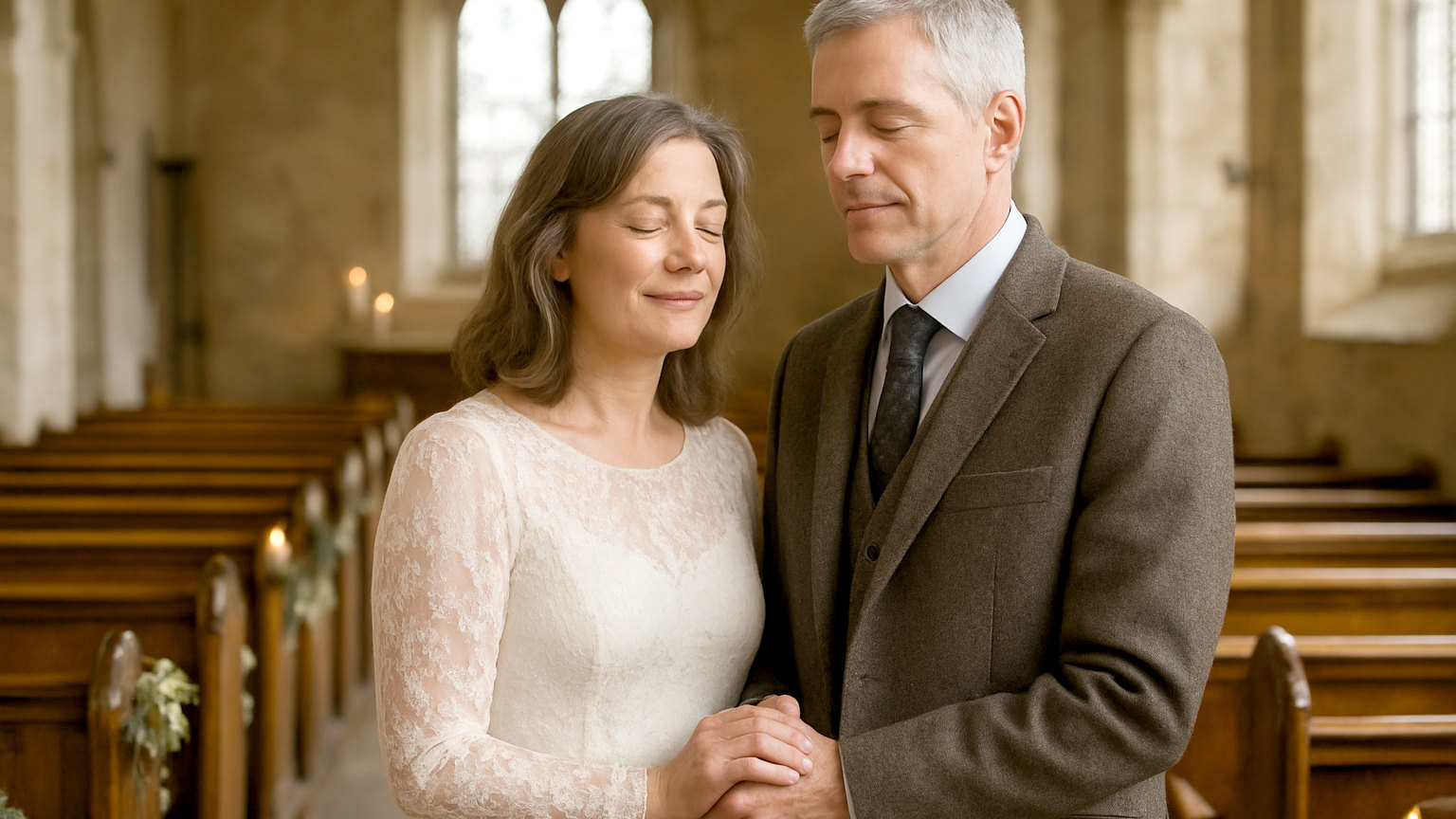
Nerves before a ceremony are close to universal and they are not a sign that anything is wrong. Almost everybody feels them, including people who seem entirely composed, and a few practical things genuinely help.
Why are ceremonies nerve wracking?
Because you are speaking in front of everybody you know, in silence, at an emotional moment, in an unfamiliar room.
That combination would make most people nervous in any context. Recognising it as ordinary rather than a personal failing is genuinely useful.
What helps in the days before?
Knowing exactly what happens and when. Most ceremony anxiety is about uncertainty rather than the event itself, and a clear running order removes a good deal of it.
Ask the officiant to walk you through it, and attend a rehearsal if one is offered. Familiarity with the room helps more than people expect.
What helps on the morning?
Eating something, drinking water, and not rushing. A compressed morning is the most reliable way to arrive at a ceremony feeling frantic.
Build slack into the schedule. Thirty minutes of nothing before you leave is worth more than any preparation.
What helps in the minutes before?
Slow breathing, with the out breath longer than the in breath, which settles the physical symptoms. Standing still rather than pacing.
Somebody calm beside you. This is what the best man or chief bridesmaid role is genuinely for.
What about speaking?
Read from a card rather than memorising. Print it large. Give a copy to somebody else in case yours is mislaid.
Speak more slowly than feels natural, since almost everybody speeds up when nervous and nobody has ever spoken too slowly at a wedding.
What if you become emotional?
Entirely normal and guests find it moving rather than awkward. Pause, breathe, and continue when you are ready.
Nobody in the room is judging the delivery. A tearful pause is remembered fondly rather than as a mistake.
Does alcohol help?
Not really, and it makes speaking harder rather than easier. A drink beforehand is fine and more than that reliably makes the ceremony worse.
Water and food do considerably more, and both are frequently skipped on a wedding morning.
What about the practical worries?
Most are about things going wrong, and the answer is that somebody else should be responsible for them. Give the running order to a coordinator or a friend.
A couple worrying about supplier arrivals during their own ceremony is a planning failure rather than an anxiety problem.
What do people say afterwards?
Almost universally that the ceremony passed very quickly and that they wished they had been more present for it.
Pausing deliberately at a couple of points, looking at the room and at each other, is advice couples give repeatedly and it costs nothing.
When is it worth talking to somebody?
If anxiety is affecting your sleep, your eating or your daily life in the weeks beforehand, that is worth mentioning to your GP rather than managing alone.
Ordinary nerves are ordinary. Something heavier deserves proper support, and asking for it early is far easier than doing so in the final fortnight.
What about your partner?
Say how you are feeling rather than managing it alone. Both of you are almost certainly nervous and neither has usually mentioned it.
Some couples see each other beforehand for a few minutes, which a great many describe afterwards as the best decision they made about the day.
What is the most useful preparation?
Knowing the running order, having somebody else responsible for the logistics, and building slack into the morning. All three reduce the load considerably.
What do most people find?
That the nerves disappear once it starts. Almost everybody reports the same thing, which is that the anticipation was considerably worse than the event.
Is it normal?
Entirely. Nearly everybody feels it, including the people who appear completely composed, and it is not a signal about the marriage or the decision.


