What Is Morning Dress?
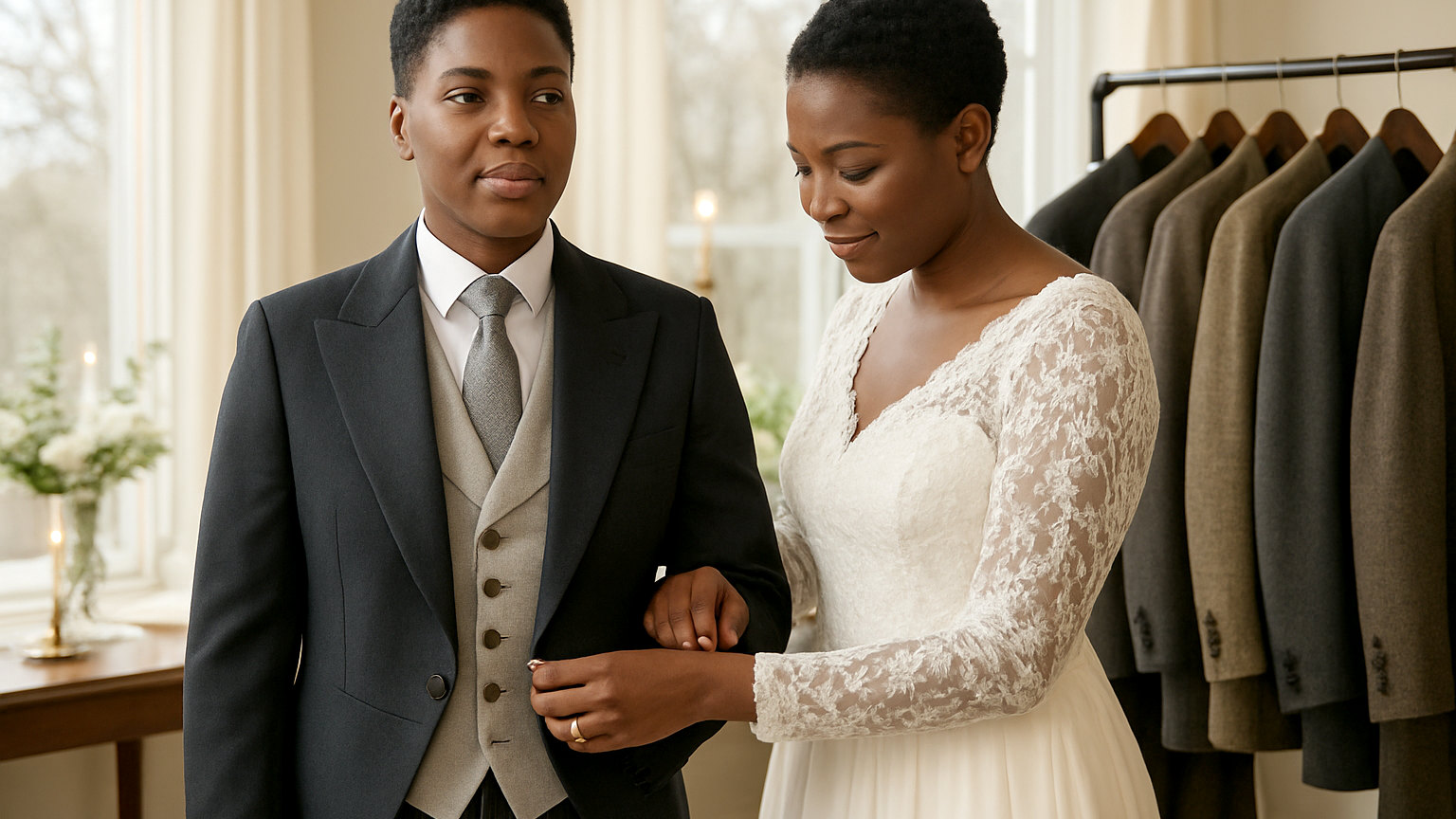
The most formal British daytime wear, and less common than it used to be. What it consists of and when it is appropriate.
By Wedding Answers Editorial
1 Jun 2026

Wedding style content is overwhelmingly pictures with no prices, no lead times and no idea what any of it involves. These guides cover the practical side: how long a dress order actually takes, what a florist can do at each budget, which colour schemes photograph well and which do not, when invitations need to go out, and what you can sensibly make yourself.
The most formal British daytime wear, and less common than it used to be. What it consists of and when it is appropriate.
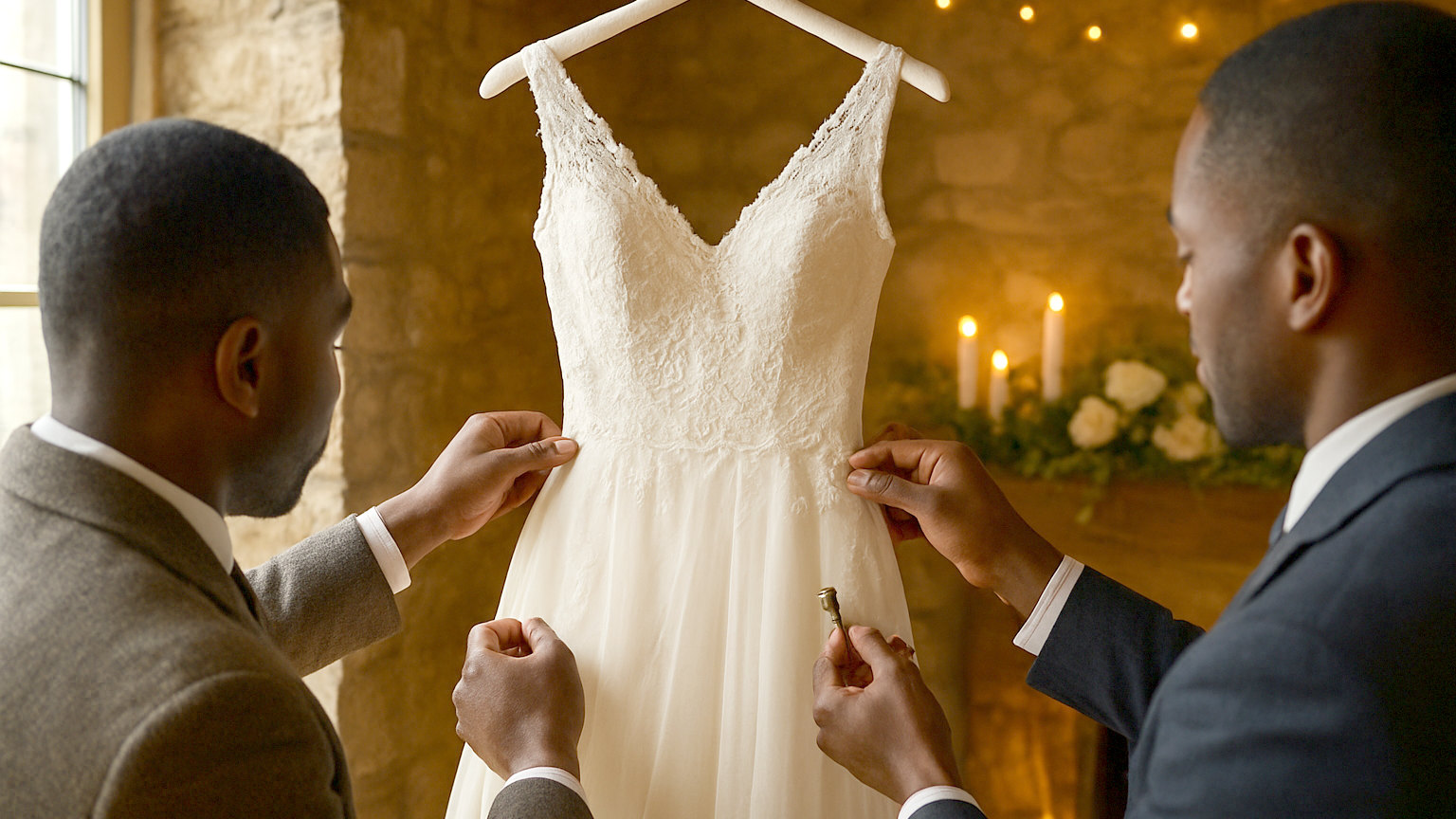
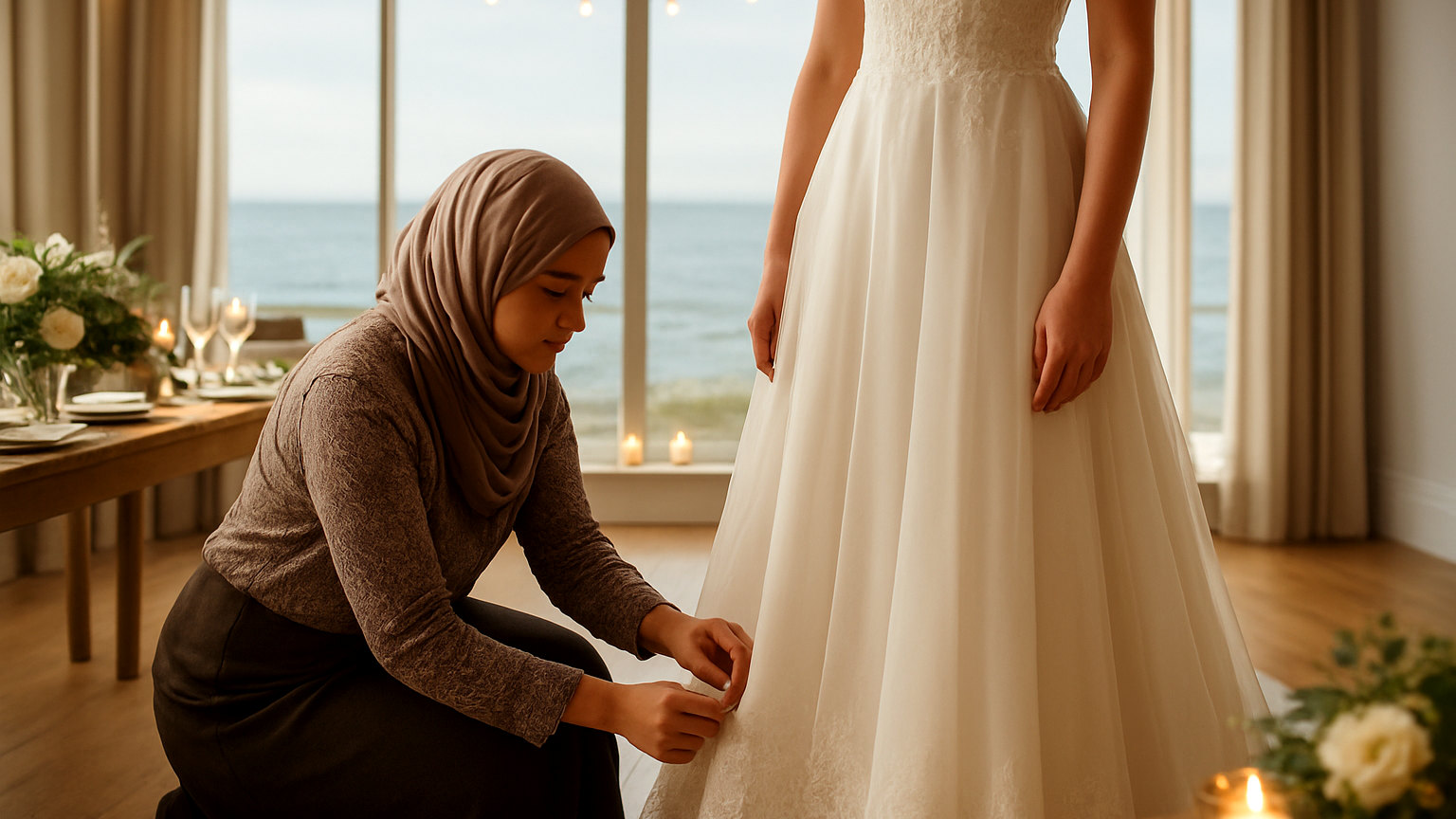
Alterations are the difference between a dress that fits and one that does not, and they are left out of most budgets. What happens and when.
An order of service tells guests what happens and when to stand. What goes in one and how the format differs by ceremony.
Matching is easier to organise and mismatched frequently looks better. How the options compare and where near misses go wrong.
Bridesmaid flowers are usually smaller versions of the bouquet, and there are cheaper and better alternatives worth considering.
Long tables need a different approach from rounds. What works down a run, what obstructs and how the sightlines change.
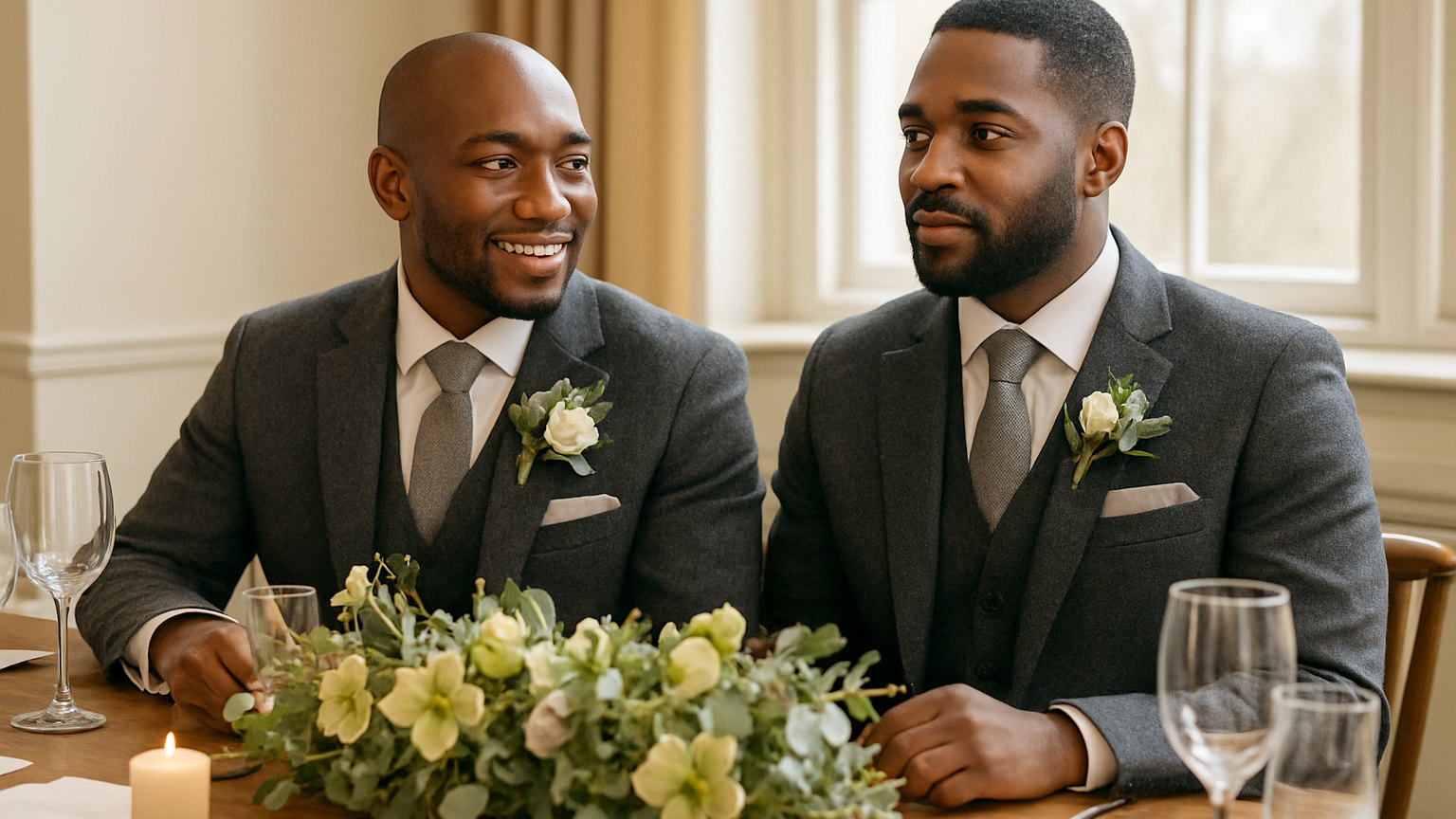
Navy and grey dominate for practical reasons. What each colour does in photographs and where the alternatives work.
Bridal sizing bears very little relation to high street sizing, and the number on the label means almost nothing. How it actually works.
Everything used at the venue rather than posted, and all of it waits for final numbers. What it includes and when to order.
Blush and sage mean different things to different people. How to communicate a colour so five suppliers produce the same one.
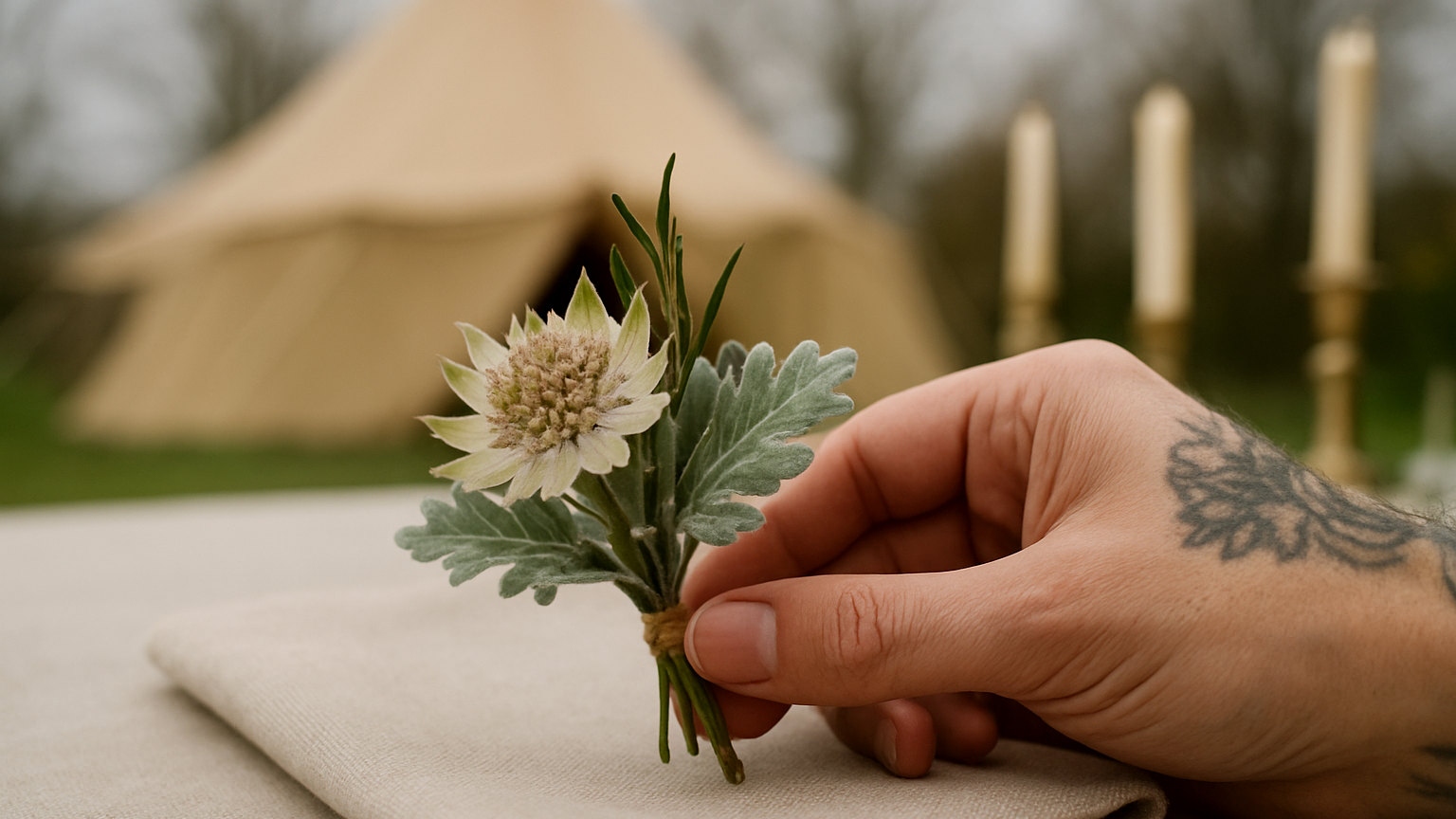
Small, cheap and consistently mishandled on the morning. What they are, who traditionally wears one and how to fix them properly.
Fabric determines how a dress moves, photographs and feels to wear. What the common names mean and which suit which conditions.