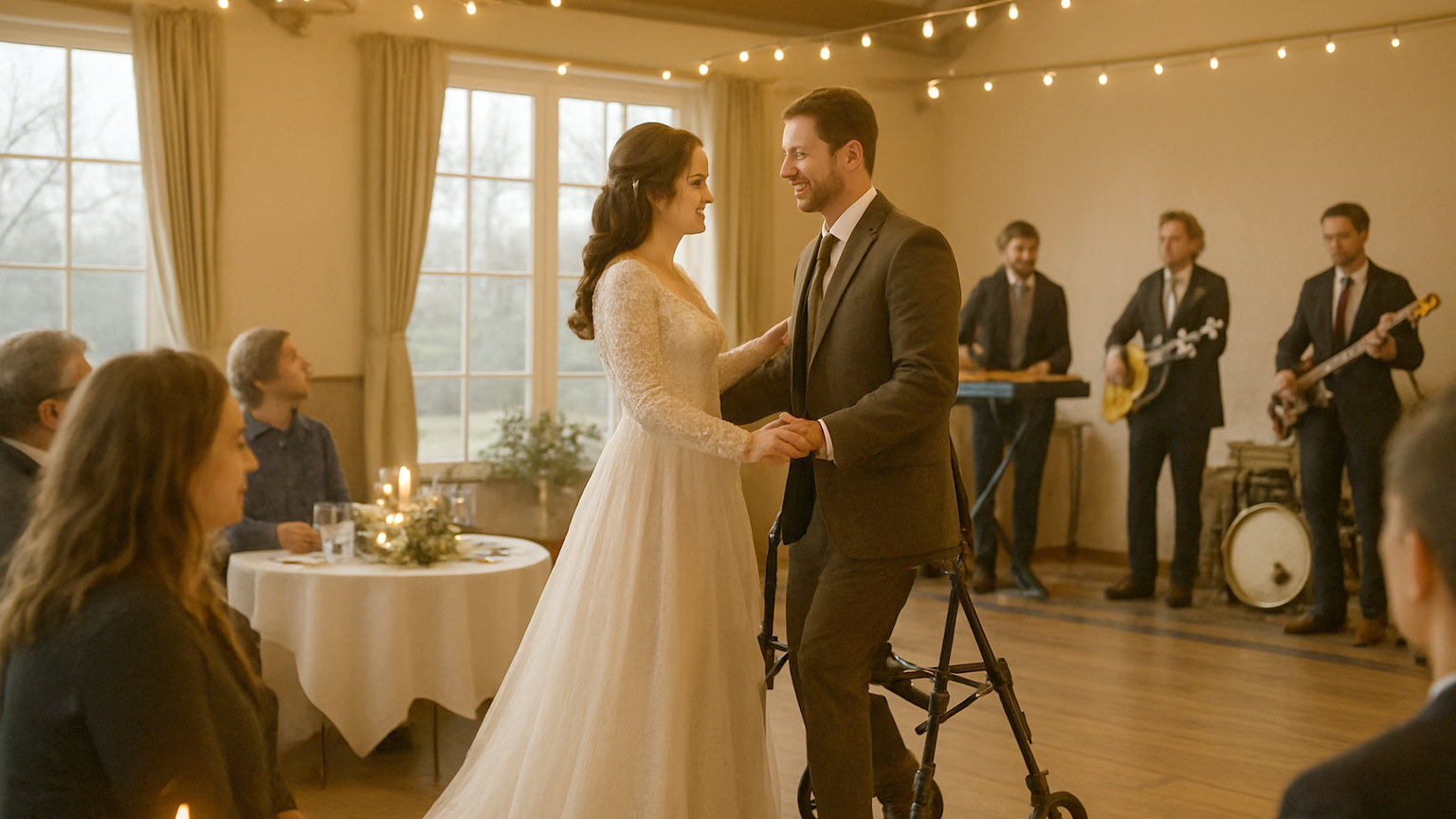
How Does the First Dance Work?
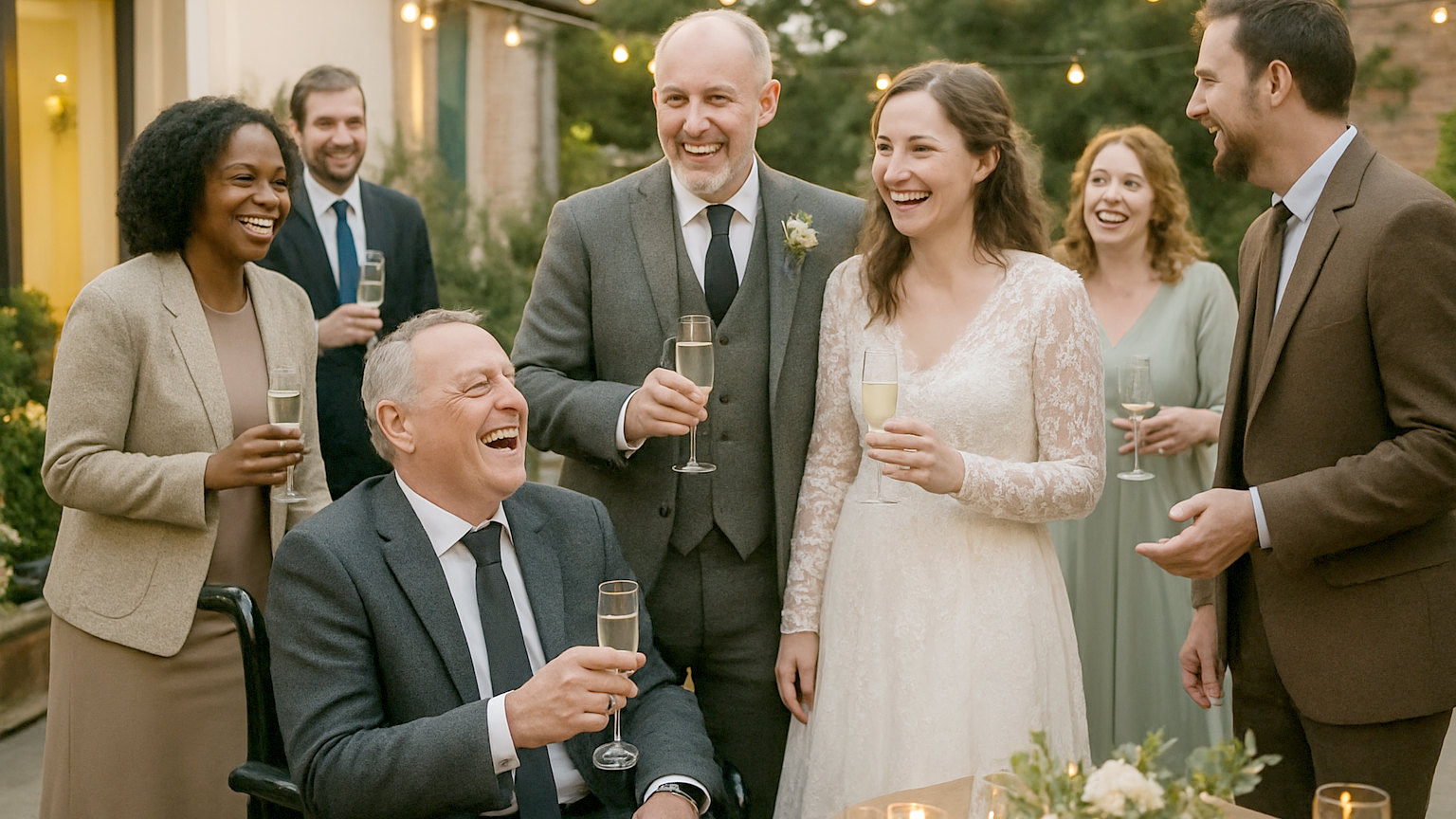
Three minutes of everybody watching, which is why couples worry about it. How to make it easy on yourselves.
By Wedding Answers Editorial
9 May 2026

The day itself runs on a set of decisions that get made late, often in a rush, and mostly by people who have never had to make them before. These guides cover the legal and ceremony options, how to build a guest list without a family incident, what the different catering formats really cost to run, how to brief a photographer, and how to write a speech that people are glad they listened to.
Three minutes of everybody watching, which is why couples worry about it. How to make it easy on yourselves.
Somebody replies for two, or asks to bring a child. How to deal with it early and what to do if it happens on the day.
A speech is two or three specific stories rather than a summary of somebody. How to find them and shape them.
Evening food serves more people than the meal and matters more than it costs. What works at ten at night.
A second shooter covers what one person cannot be in two places for. When that matters and when it does not.
Ceremony music comes in four moments and each does something different. What to choose and what the rules allow.
Some invitations are made from obligation rather than desire. How to recognise them and why the day is better without.
An evening has a shape and the music should follow it. What works when and how much you should specify.
Five minutes is plenty and almost every speech is too long. How to measure it and what to cut.
The light shortly before sunset is the best of the day and it moves by hours across the year. How to plan around it.
The main meal is called breakfast for historical reasons and eaten in the afternoon. How it runs and what shapes the timing.
A reading gives somebody a role and gives the ceremony a change of voice. How to choose one and who should deliver it.