
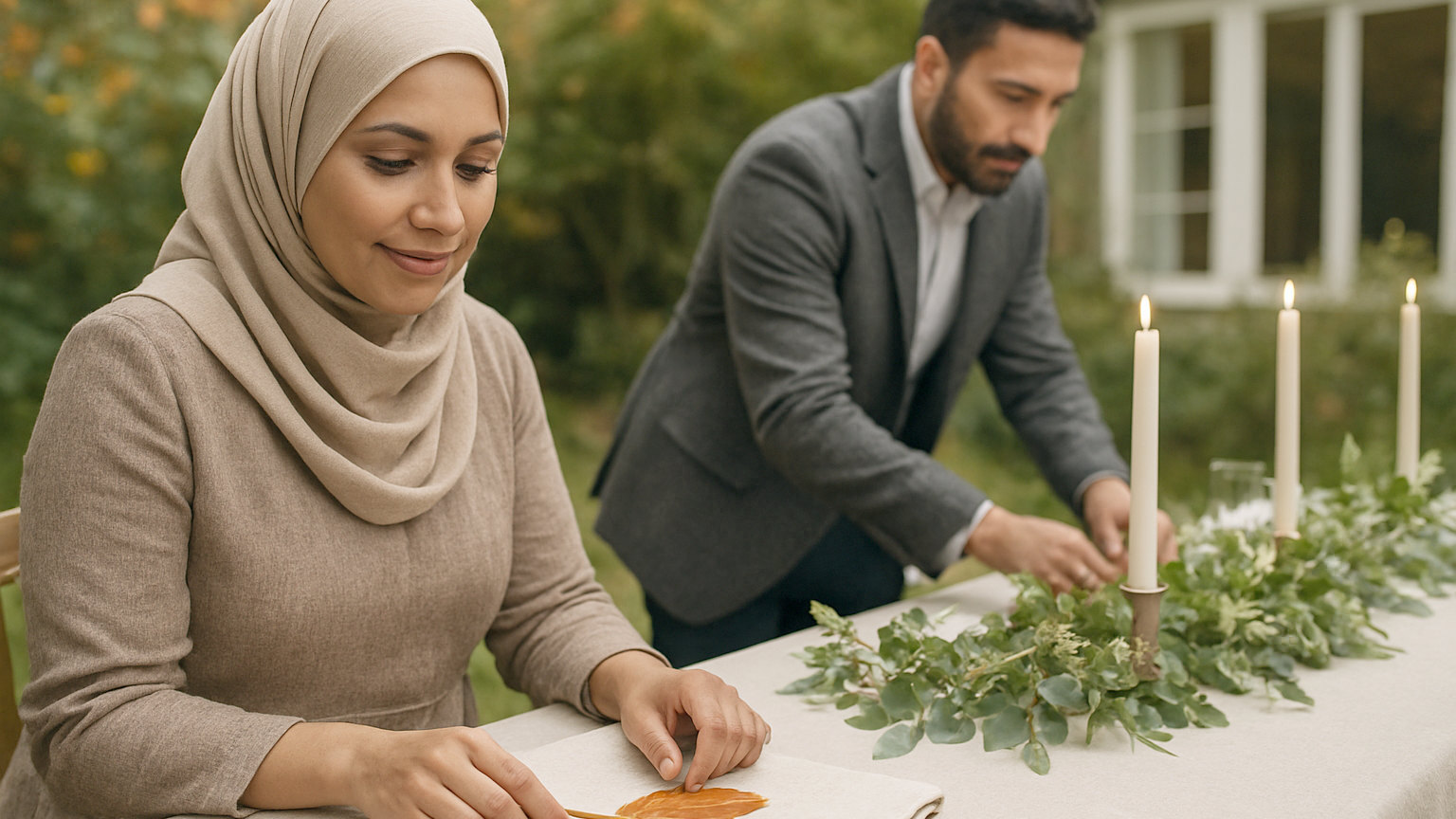
Styling a venue is the work of making a room feel like your wedding rather than like a function space. It is largely about light, scale and working with what the building already gives you, and much less about the number of decorative items in it.
Where should you start?
With the room as it is. Walk it and note what is already good, what is neutral and what actively works against you. That list determines everything else.
A venue with good architecture, high ceilings or a view needs very little. A blank function room needs a plan. Styling the second like the first is how budgets get wasted.
What has the biggest effect?
Light, by a considerable margin, and it is among the cheapest interventions available. Candles, uplighting or simply choosing a room with good windows changes how everything in it looks.
A hundred pounds of candles does more for a room than a thousand pounds of most other things, which is why it appears at almost every wedding people admire afterwards.
What comes second?
Scale. Two large arrangements read as deliberate and twelve small ones read as scattered, and the second usually costs more.
The general rule is fewer things done properly. A room with three considered elements looks styled and a room with fifteen cheap ones looks busy.
What should you find out first?
The venue rules, before buying anything. What can be fixed to walls, whether naked flames are permitted, whether anything can hang from the ceiling and what the setup window is.
Boxes of candles bought for a venue that prohibits them is the most common version of this mistake and it is entirely preventable with one email.
How do you decide what to spend on?
By where guests spend time. The tables are looked at for two hours, the entrance for thirty seconds and the aisle for four minutes.
Time near it multiplied by the number of people is a reliable guide to where the budget should go, and it usually points somewhere different from the images that inspired the plan.
What about the ceremony and the reception?
Style them as one job rather than two. Ceremony arrangements can move to the reception during the drinks, which is one of the few genuine savings available in styling.
It has to be arranged in advance because somebody must be there to do it, and it needs to be in the quote and the running order rather than mentioned on the day.
How does the venue own style affect it?
Substantially, and fighting it rarely works. A room with strong existing colours or heavy furniture will not become a neutral space, and a scheme that ignores it looks like two weddings at once.
Work with what is there. Photograph the room and choose the palette against those photographs rather than against images of somewhere else.
What is the most common mistake?
Buying before seeing the room properly, usually months in advance because something was on offer. Items bought early are stored, reconsidered and frequently replaced.
Settle the styling around four to six weeks out, once the layout and the table count are known. Anything earlier is provisional.
What does good styling actually achieve?
A room that feels warm, coherent and full rather than one that looks like a magazine. Guests do not compare your venue with anywhere else and cannot tell what anything cost.
What they notice is light, comfort and whether the room feels considered, and all three are achievable at almost any budget.
Who should do the work?
Somebody other than the two of you on the morning. Anything beyond placing a few items belongs to a stylist, a florist offering styling, or helpers briefed in advance with a clear list.
Check the access window before deciding. A venue offering two hours before the ceremony has effectively made the decision for you.
What is the last thing to decide?
Anything bought rather than hired. Items purchased early are stored for months, reconsidered and frequently replaced, which is money spent on changing your mind.


