
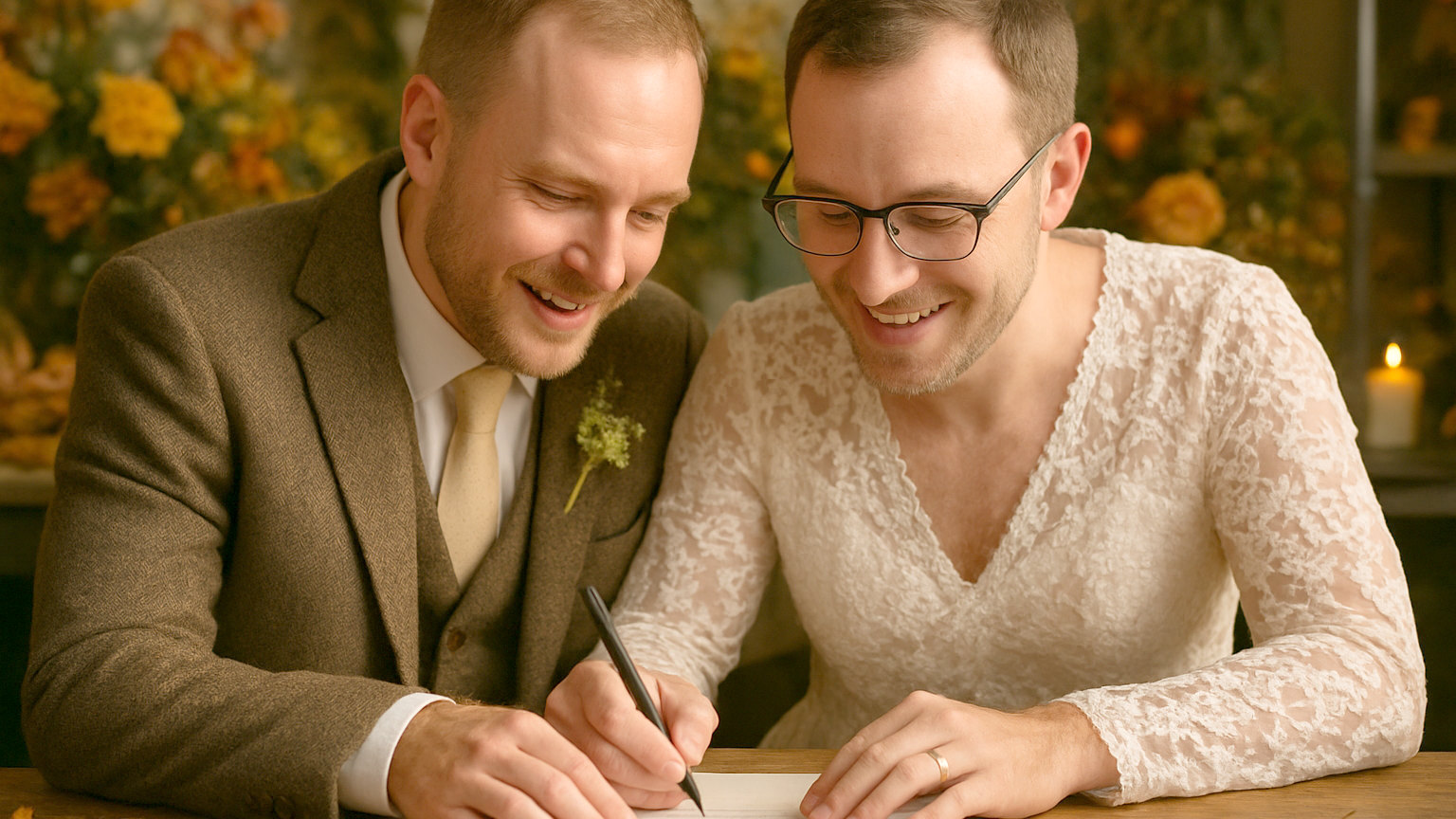
Twenty minutes spent before signing a venue contract prevents most of the problems that surface later. The checks are straightforward and they are almost never made, because signing happens at the point when everybody is pleased.
What should you check first?
The basic facts. Both names spelled correctly, the date, the day of the week, the times, the rooms and the guest number the pricing is based on.
Transposed dates and wrong room names appear more often than you would expect, and they are considerably easier to fix before signature than after.
What should you check about the money?
The total, what it includes, whether VAT is inclusive, the deposit amount, and every subsequent payment date. Then whether the price is fixed for the duration or subject to review.
Add up the payment schedule and confirm it matches the total. Arithmetic errors in venue contracts are not rare.
What terms matter most?
Cancellation, postponement, minimum numbers, price review, and what happens if the venue cannot host. Those five determine what happens if anything goes wrong.
Read them properly rather than skimming. They are the reason the document exists.
What should be in there from the viewing?
Everything you were told. Access times, exclusive use, the sound limiter, confetti and candle rules, what is included and anything promised.
Compare the contract against the notes you wrote after the viewing. Anything missing should be added before signing rather than remembered afterwards.
What should you confirm alongside it?
Registrar or officiant availability, which is the one thing that can make a confirmed venue booking unusable. Do this before paying rather than afterwards.
Call the register office for the district. A venue confirmation without a registrar confirmation is half a ceremony.
How should you pay the deposit?
By credit card where the venue accepts it and the amount qualifies, then clear the card immediately from your wedding account. The protection costs nothing that way.
If a transfer is the only option, verify the account details by phone using a number you found independently rather than one in the email requesting payment.
What should you do about insurance?
Arrange it around the time the deposit is paid. Policies generally exclude anything already known about, so cover bought after a problem appears will not address that problem.
Check that the liability level in the policy meets whatever the venue requires you to hold.
What if something is unclear?
Ask before signing, in writing, and get the answer in writing. A term you did not understand is a term you agreed to, and the reading is easier now than in month nine.
Ask for a few days if you need them. Most venues will hold a date informally on request and pressure to sign immediately is worth noticing.
Where should it live afterwards?
Somewhere outside your email, with the payment schedule alongside it, accessible without a signal. You will need it at exactly the moments when searching an inbox is hardest.
Nothing here is legal advice. Where the sums are substantial or a clause concerns you, Citizens Advice is free and a solicitor for an hour is cheap against a five figure commitment.
Should you sign at the viewing?
No, and pressure to do so is worth noticing. Take the document away, read it properly, and return with questions.
Most venues will hold a date informally for a few days on request, and asking for that is entirely normal rather than difficult.
Who should read it?
Both of you, separately, since two people notice different things. It takes twenty minutes each and it is the largest commitment either of you is likely to make before a mortgage.
Compare notes afterwards. Between you, most of the questions worth asking will have surfaced.
What is the single most missed check?
Registrar availability. Couples confirm the venue and assume the ceremony follows, and in busy districts the registrar for a specific time is scarcer than the room itself.


