
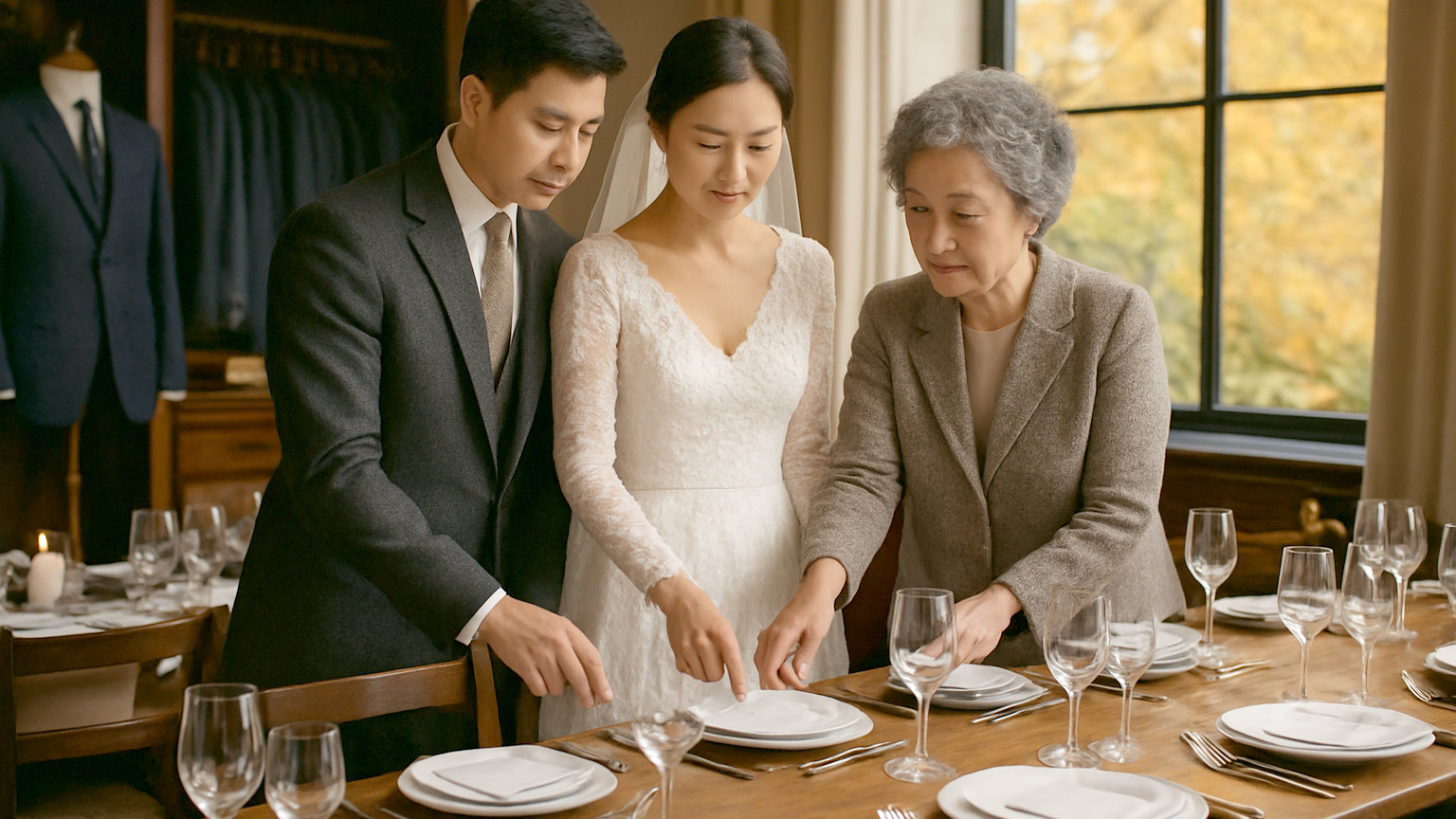
Booking a venue before drafting a guest list is the most common sequencing error in wedding planning, and it is expensive in both money and difficult conversations. The two decisions constrain each other and one of them should come first.
Which comes first?
The guest list, in draft. Not the final version with every second cousin resolved, but a realistic number with a range around it.
Sixty to eighty is enough to shop with. Some number, we will see is not, and it produces a venue chosen against a figure nobody has tested.
What happens if the venue comes first?
The list gets cut to fit the room or the venue gets upgraded at cost. Both are solvable and both are avoidable by spending an evening on a rough list first.
The cutting is the harder of the two, because by the time the room is booked the list frequently exists in people minds even if it is not written down.
How should the list be built?
In tiers. The people the day would be wrong without, the people you would like there, and the people you would invite if there is room.
That structure does the real work. When the venue turns out to hold fewer than hoped, the cut is already decided rather than becoming a negotiation.
What figure should you build against?
The venue comfortable seated figure with a margin below it, rather than the published maximum. Ten per cent under is a sensible target.
There is always at least one late addition, and a list built to the exact capacity has nowhere to put them.
How does the evening change it?
Substantially, and usefully. Evening capacity is normally larger than dining capacity, so people who cannot be seated for the meal can still be included.
That is the standard solution for a guest list that will not fit, and it costs considerably less per person than a day guest.
What about the decline rate?
Expect somewhere around ten to fifteen per cent of invited guests to decline, and more where travel or accommodation is involved.
Some couples invite slightly above capacity on that basis. It works and it carries a risk, since the year everybody accepts is the year the room is too small.
Should you keep a reserve list?
Yes, and it is underused. Keep a short list from the start and issue invitations from it as declines arrive, rather than in a visible batch at the end.
A second wave landing a fortnight before the day speaks for itself. One going out three months ahead does not.
What if the numbers will not work?
Change the venue rather than compressing the wedding. A room seating a hundred and forty comfortably and a hundred and sixty tightly is a room that will feel cramped for two hours.
Guests notice that more than they notice almost anything else, and it is one of the few things that genuinely reduces enjoyment.
What is the practical order?
Draft the list in tiers, agree a working number, then search for venues whose comfortable capacity sits above it. Confirm the working figure with the venue before the deposit.
That sequence takes an extra evening at the start and removes most of the guest list difficulty that otherwise surfaces in month eight.
What should you agree between you first?
A number, written down, before any venue is contacted. Two people frequently have different figures in mind and neither has said so.
Finding that out in month one is considerably better than discovering it through a year of small disagreements about individual names.
What should you do once it is booked?
Write the working figure at the top of the guest list and treat it as a cap rather than a target. A list that grows to meet the room will keep growing, because there is no natural point at which it stops.


