
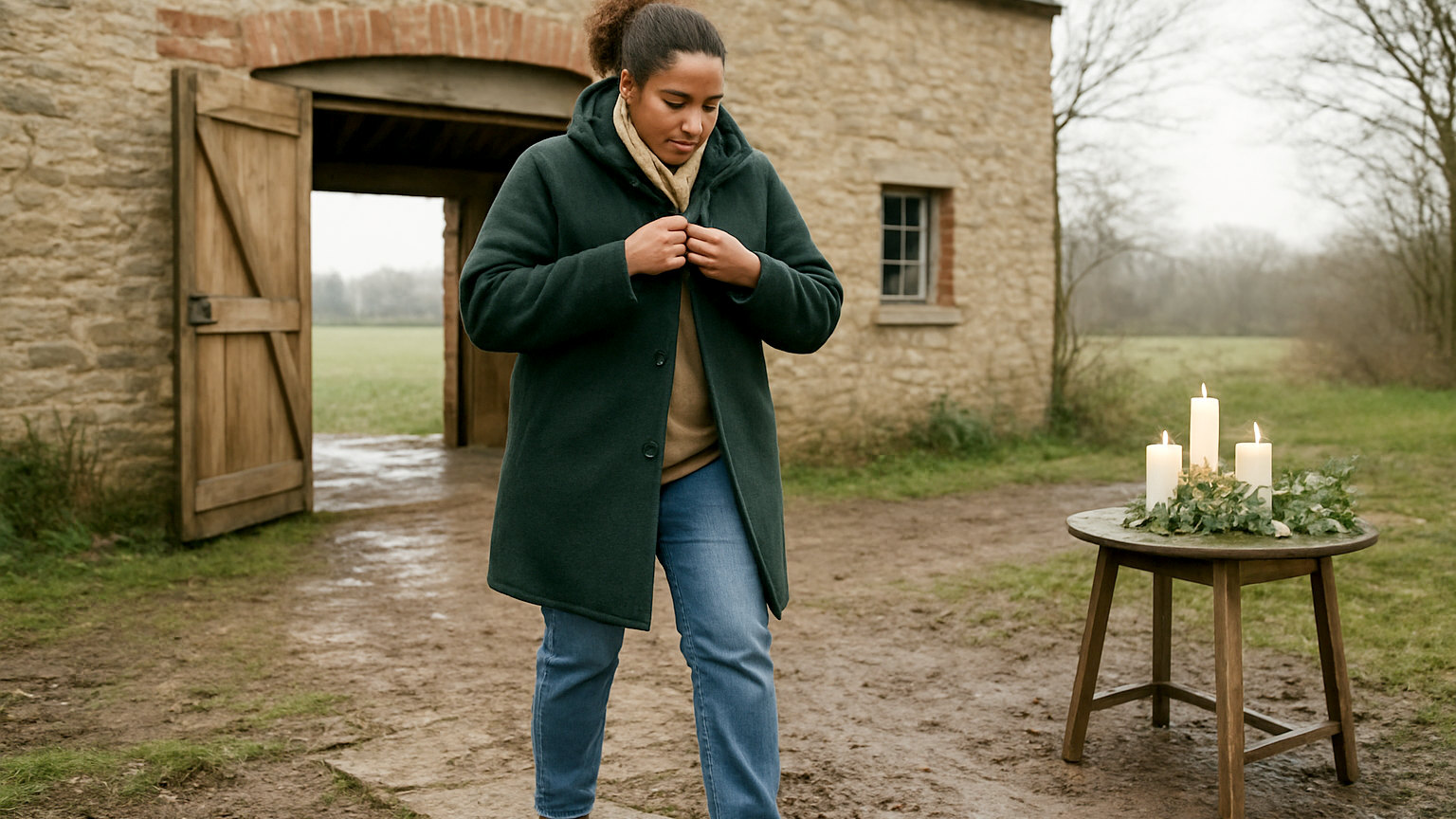
Venue photographs are taken in the best light of the year with nobody in the room. That is not deception, it is marketing, and it means the useful information about a venue is almost entirely absent from its own images.
What do photographs never show?
Scale, sound and flow. How large the room actually feels with a hundred and fifty people in it, how loud it is when they are talking, and how people move between spaces.
They also never show the unglamorous parts, which is where most practical problems live. The car park, the corridors, the toilets and the room you would get ready in.
What should you look at first?
The route a guest takes from arriving to sitting down. Walk it. Where do they park, where do they go, where do they wait, where do they get a drink and where do they sit.
Any point on that route where a hundred and fifty people would bottleneck is a point where your day will lose fifteen minutes.
What about the wet weather plan?
Ask to see it rather than be told about it. Stand in the actual space and picture your guest number in it, because a room that holds a hundred people who can spill outside does not hold a hundred who cannot.
This is the single most important thing to check at any venue with grounds, and it is the thing every summer viewing skips.
What should you listen for?
Whether the ceremony room carries sound, whether the dining room echoes, and whether there is noise from a road, a kitchen or another event.
Ask whether more than one wedding runs at a time. Venues with several spaces frequently host two, and the overlap is not always mentioned.
What about the light?
Which way the main rooms face and when they lose the sun. Ask where photographs happen when it is dark, which for a winter wedding is from mid afternoon.
A ceremony room facing north is a very different photographic proposition from one facing west, and no brochure image will tell you which you are looking at.
What should you ask about the staff?
Who will actually be there on the day, and whether it is the person showing you round. At many venues it is not.
Ask how many staff work a wedding of your size. That figure determines how long service takes and whether there is a queue at the bar, both of which guests notice more than anything decorative.
What are the small things worth checking?
Where coats go. Whether there is somewhere for gifts and cards to be kept securely. Whether there is a quiet room. Whether the getting ready space has good light and enough plug sockets.
Also where suppliers park and unload, since a photographer or caterer parking half a mile away changes how the morning runs.
What tells you most about a venue?
How readily they answer awkward questions. A venue that gives you a straight answer about noise limits, staffing, other weddings and what is not included is a venue that will be straightforward all year.
One that deflects at the viewing will deflect in month nine. That impression is worth more than any photograph, and it is available for free within twenty minutes.
What should you photograph yourself?
The practical spaces rather than the pretty ones. The car park, the entrance, the getting ready room, the toilets, the wet weather space and anywhere guests would queue.
Those are the images you will want to look at again three months later, and they are the ones no venue publishes.
What is worth asking other couples?
Whether anything surprised them. Venue reviews are almost uniformly positive and the useful answer comes from a direct question, which most people will answer honestly if asked privately.
Look at the room the way a guest will, from the door rather than from the corner the photographer used. That single shift in perspective explains most of what a brochure leaves out.


