
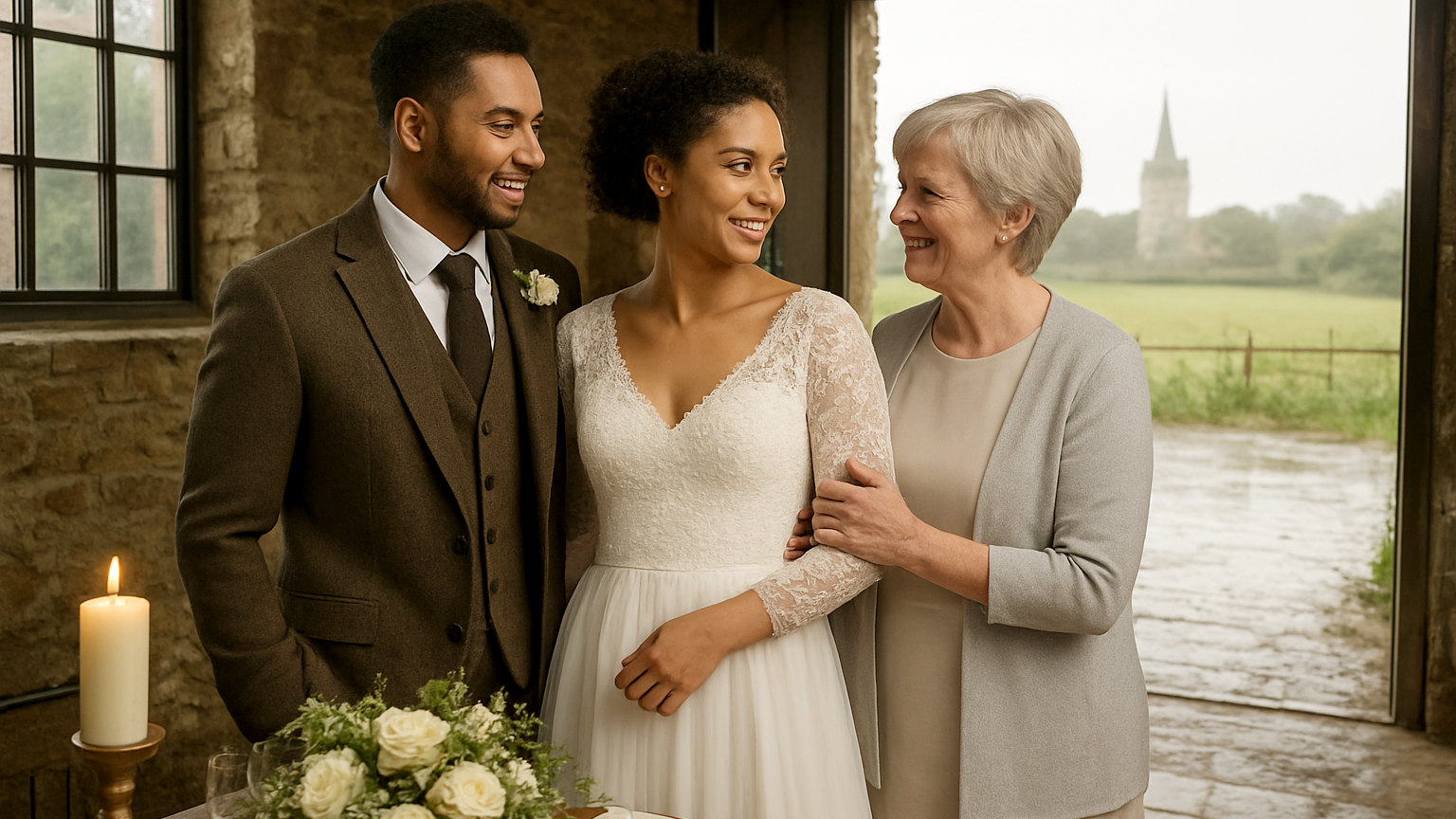
A micro wedding is generally taken to mean somewhere under about thirty guests, and it is a format rather than a reduced version of a larger wedding. Several things work differently at that size.
How small is small?
There is no fixed definition. Under thirty is the common usage, and under fifty is frequently described as intimate.
The practical threshold is where a wedding stops needing a wedding venue, which is usually somewhere around forty.
How is it different?
Everybody can be at one table, everybody can hear the speeches, and you can genuinely speak to every guest.
That last point is what couples most consistently mention afterwards, since at a larger wedding it is rarely possible.
What venues suit it?
Restaurants with a private room, small hotels, pubs, a house, a garden, a members club or a register office followed by a meal.
Conventional wedding venues frequently do not, because of minimum spends built around much larger numbers.
What is the main obstacle?
Minimum spend, which is the figure that decides whether a venue works for a small wedding. A minimum designed around a hundred guests is unreachable at twenty five.
Ask about it in the very first enquiry. It removes most unsuitable venues immediately.
What does it cost?
Considerably less in total and frequently more per head, since fixed costs such as photography and flowers are spread across fewer people.
The total is what matters, and it is usually a fraction of a larger wedding.
What can you do with the saving?
Better food, better wine, a longer day, somewhere you could not otherwise afford, or simply spend less.
A small wedding at a very good restaurant is achievable at a budget that would not cover a conventional wedding for a hundred.
What about the guest list?
It is the difficult part, since a small number means a firm line and some people will be disappointed.
Decide the number first and apply a rule, rather than working down from everybody you might invite.
Do you still need the same suppliers?
Fewer. A DJ, a large floral order, a table plan and most on the day stationery become unnecessary at that size.
Photography still matters and is frequently shorter, since there is less day to cover.
What about a party afterwards?
Common, and a good solution for anybody who wants a small ceremony and a wider celebration.
It is a second event with a second cost, so budget for it rather than treating it as an afterthought.
How does it differ from eloping?
An elopement is generally just the two of you and witnesses. A micro wedding has guests, a meal and the shape of a wedding day.
Is it a compromise?
No, and a great many couples choose it deliberately with the budget for something larger. Fewer people, more time with each of them.
How does the day run?
Usually shorter and simpler, frequently a ceremony followed by a long meal rather than a full day with an evening reception.
The gap disappears, since group photographs take minutes rather than an hour, which removes the part of a wedding that drags.
What about speeches?
Easier, since everybody can hear without a microphone and the tone is conversational rather than performed.
More people frequently speak at a small wedding, which works well when the room is thirty rather than a hundred and fifty.
What should you check with a venue?
Minimum spend, minimum numbers and whether they take small weddings willingly rather than reluctantly.
Does it need less planning?
Considerably. Fewer suppliers, no table plan, simpler catering and a shorter running order all remove work.
What is the main advantage?
Time with each guest, which is what couples at larger weddings most consistently say they missed.
Ask about minimum spend first and the rest of the search follows easily.
Is it becoming more common?
Considerably, and it is now an ordinary choice rather than an unusual one. Nobody requires an explanation for a wedding of thirty.


