
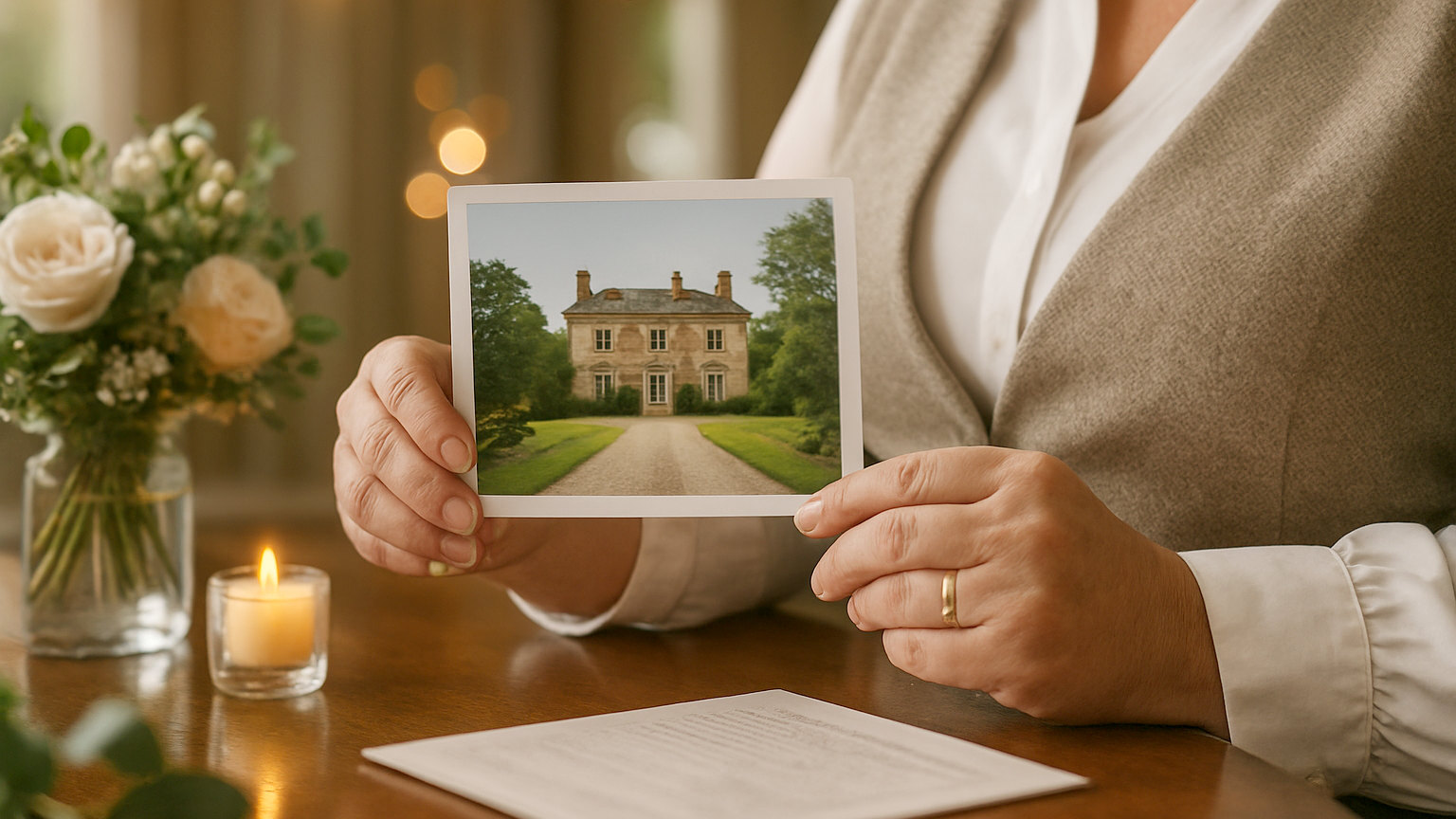
The venue search is the part of wedding planning that most often consumes months and produces very little. It goes considerably faster when three things are settled before the first enquiry is sent, and considerably slower when they are not.
What has to be settled first?
A rough guest number, a budget for venue and catering together, and a date range rather than a single date. Without those three, every enquiry is hypothetical and every reply is generic.
The guest number matters most, because it determines which venues are even possible. Sixty to eighty is enough to shop with. Some number, we will see is not.
Why a range rather than a date?
Because a venue asked about one Saturday answers yes or no, and a venue asked about a two month window comes back with several options. At least one of them is usually cheaper.
Flexibility on the day of the week matters even more. A Friday or Sunday reopens most of the market and commonly costs ten to twenty per cent less.
Where should you actually look?
Start with directories and local wedding groups to build a long list, then look at each venue own website for the practical detail. Directories are good at discovery and poor at pricing.
Ask suppliers too. Photographers in particular work at dozens of venues a year and will tell you honestly which ones run well, which is information no directory contains.
What should the first enquiry say?
Date range, guest numbers, and your budget for venue and catering combined. Then one question, which is what they have available.
Venues answer that quickly because it costs them nothing. A long enquiry about styling and packages sent before availability is established wastes a fortnight for both sides.
Should you mention the budget?
Yes, and it is the single most useful thing in the message. Withholding it usually means both sides spend a fortnight discovering they are thousands apart.
A venue told a realistic figure will say honestly whether it works, or suggest a different day or season where it might. That is a far better outcome than a brochure.
What has to be checked alongside the venue?
Registrar or officiant availability, on the same day if possible. This is the most commonly missed step in the whole process.
A venue confirmation without a registrar confirmation is half a ceremony, and in busy districts the registrar for a specific time can be scarcer than the room itself.
How long should the search take?
Four to eight weeks from first enquiries to a booking is normal and achievable. Longer than that and you are usually deferring a decision rather than gathering information.
Set a date to decide before you start. Almost every couple who ends up choosing between their fifth and sixth choices began by comparing their first and second.
What is the most common mistake?
Falling in love with a venue before establishing the total cost for your actual numbers on your actual date. The headline hire fee is frequently a small part of what you will pay.
Ask for a full quote including catering, drinks, minimum spend and every additional charge before viewing anything you cannot afford. It saves a great deal of disappointment.
Should you view before enquiring properly?
No, and it is the most common way a venue search loses months. Every hour spent walking round somewhere unaffordable or unavailable is an hour taken from the venues that could actually work.
Establish availability, capacity and total cost by email first. Three questions, one message, and most of a long list resolves itself without anybody travelling anywhere.
Who should be involved?
The two of you, and nobody else until the shortlist stage. Involving parents or friends in the initial search adds opinions before there is anything concrete to have an opinion about.
Bring one other person to a final viewing if their view genuinely matters. Large groups at a viewing produce a great deal of comment and very little clarity.


