
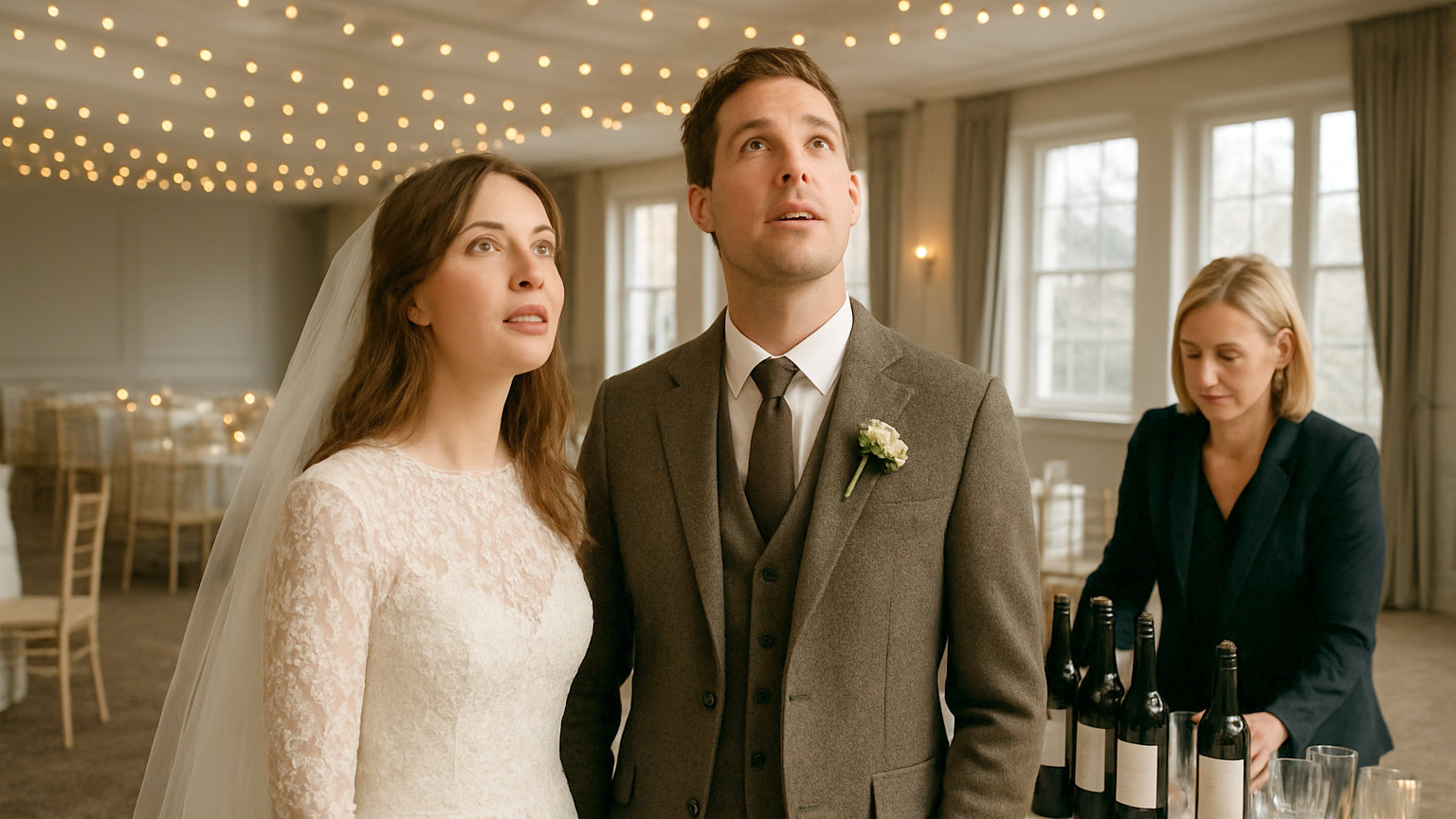
Corkage is the charge a venue applies for serving drink you have supplied yourself. It exists because the venue would otherwise be selling you that drink at its own margin, and it determines whether bringing your own is a saving or not.
How is it charged?
Usually per bottle, and sometimes per person or as a flat fee. Rates vary enormously between venues and there is no standard figure.
Ask for the rate in writing and ask whether it differs between wine, sparkling wine and beer. Some venues charge separately for each.
Does it wipe out the saving?
Frequently, and that is the point of it. A corkage charge close to what the venue would make on the bottle leaves you doing the buying, transporting and chilling for very little benefit.
Do the arithmetic before deciding. Take the corkage per bottle, add what you would pay for the wine, and compare against the venue price for the same standard of drink.
When is it genuinely worth it?
Where corkage is low or absent, which is most common at dry hire venues, village halls and marquees. There the saving is real and can run to several hundred pounds or more on a full bar.
It is also worth it where you want something specific the venue cannot supply, in which case corkage is the price of getting what you want rather than a saving.
What are the hidden costs?
Somebody has to buy it, transport it, chill it, and remove the empties. That is a real job and it lands on the wedding morning unless it is assigned in advance.
Over ordering is the other. Drink bought and not used is frequently non returnable, so the saving assumed at the planning stage can shrink at the end.
Can you buy on sale or return?
Many wine merchants offer it, which removes the risk of over ordering entirely. It is one of the more useful arrangements available and it costs nothing to ask about.
Buying by the case and using multibuy offers is the other saving. At the volumes a wedding requires, that is a meaningful reduction on its own.
Do venues allow it at all?
Many do not, particularly hotels and venues with in house catering, and that is a legitimate commercial choice rather than an unreasonable one.
Establish it early in the comparison, because a venue that prohibits it removes an option that may be worth thousands at another venue.
What about a compromise?
Common and worth asking for. Some venues allow you to supply the sparkling wine for the toast while buying everything else from them, or permit your own wine with corkage while running the bar themselves.
That arrangement captures most of the saving on the largest volume item without the venue losing the bar, which is why they often agree to it.
How does it affect a venue comparison?
Substantially, and it should be in the like for like total. A venue with a slightly higher hire fee and no corkage can be considerably cheaper overall than one with a low fee and a high rate.
Price the drink at each venue on the same guest numbers and the same consumption assumption. Two to three drinks per guest across a reception is the usual starting figure.
What should you ask?
Whether your own drink is permitted, the rate per bottle for each type, whether it applies to the toast, and whether it applies to the evening bar.
Get the answers in writing before signing. Corkage discovered after a contract is signed is a cost you cannot avoid and could have compared for.
Is it negotiable?
Occasionally, particularly on off peak dates or as part of a wider package discussion. A venue unwilling to move on the headline price will sometimes waive corkage on the toast, which is worth asking for.
Whatever the rate, put it in the comparison rather than treating it as a detail. On a wedding of a hundred and fifty guests it is a four figure decision dressed up as a footnote.


