
Dressing several people is a logistical job more than a style one. Five diaries, five sets of measurements and one deadline is the actual problem, and the approach you choose determines how difficult it is.
Should everybody match?
Not necessarily, and coordinating usually looks better. Six identical outfits photograph flatly, and a shared colour with individual variation reads as considered.
Matching is easier to organise, which is the argument for it. Coordinating is cheaper for everybody and more flattering.
What is the easiest approach?
Specify a colour and a level of formality, and let people wear something they already own or buy something they will use again.
Navy or grey suits, a stated tie colour and dark shoes is a complete brief and it costs most people nothing. It also removes the coordination job entirely.
How should the groom differ?
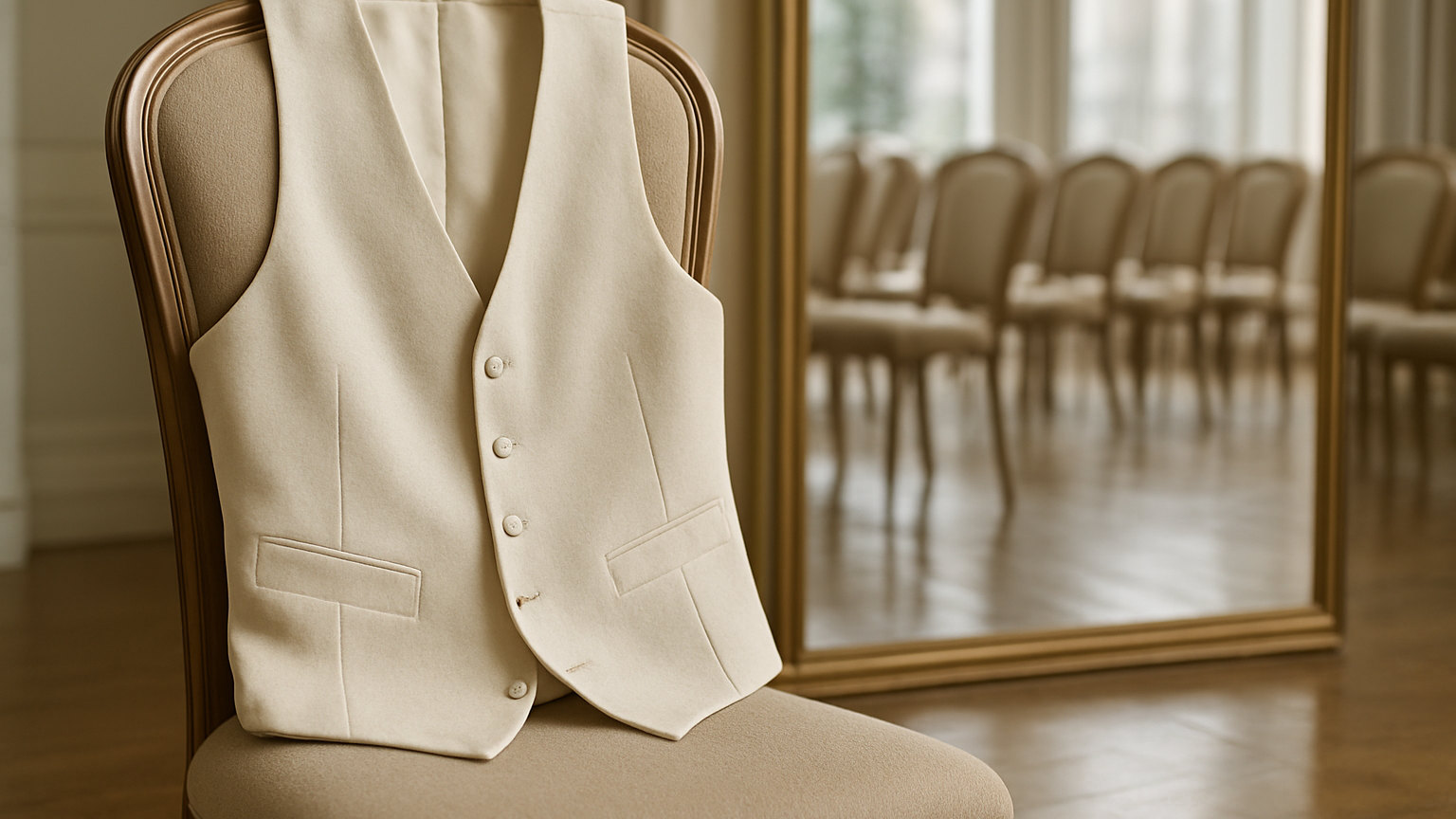
Slightly rather than substantially. A waistcoat where others have none, a different tie, or a different shade of the same colour.
Being distinguishable in photographs matters and being conspicuously different does not. A small variation is enough.
Who pays?
Traditionally each person pays for their own, and a growing number of couples contribute or cover it entirely. There is no correct answer.
Decide before anybody is asked and say what the cost will be at the point of asking. It is a significant sum for some people and they are entitled to know.
How do you handle hiring for several people?
One shop, one account, and a deadline set well before the wedding. Most hire companies coordinate this routinely and will handle sizing.
Get everybody fitted in person rather than sending measurements. Remote sizing is noticeably less reliable and produces the fit problems hire is known for.
What about people who live far away?
Larger hire companies have branches and will fit somebody in one town for collection in another. Ask, since it solves the most common practical problem.
Otherwise the coordinating approach works better, since somebody buying a navy suit locally needs no coordination at all.
Who chases people?
Not the couple. Give the job to the best man or one member of the party and let them handle the deadlines, the fittings and the collection.
It is a genuinely useful job to delegate and it is exactly the kind of bounded task people are happy to take.
What about the fathers?
Usually included in the coordination at a similar level of formality, and it is worth asking rather than assuming they will match.
Tell them what everybody else is wearing early. It is a common source of a last minute scramble and one conversation prevents it.
What about buttonholes?
Ordered with the flowers rather than the suits, and it is worth confirming who gets one. Traditionally the wedding party and the parents.
Tell the florist the number and tell somebody to hand them out, since they arrive in a box and are frequently still in it at the ceremony.
What is the deadline?
All fittings done six weeks out and collection a few days before. Set it earlier than you think and expect at least one person to be late.
Returns need assigning too, since they land the day after the wedding when nobody has planned anything and late returns attract charges.
What should you tell people?
The colour, the level of formality, what it will cost them, and by when. Four things, sent once in writing rather than mentioned in conversation.
People can then decline or plan, and almost every wedding party clothing difficulty traces back to somebody agreeing before knowing what was involved.
What about children in the party?
Keep it simple and comfortable, since they will be wearing it for a long day. Matching an adult outfit exactly is expensive and rarely necessary.
What is the least imposing approach?
A stated colour and formality with people wearing their own. It costs most of them nothing, removes the coordination entirely and photographs better than matching.


