
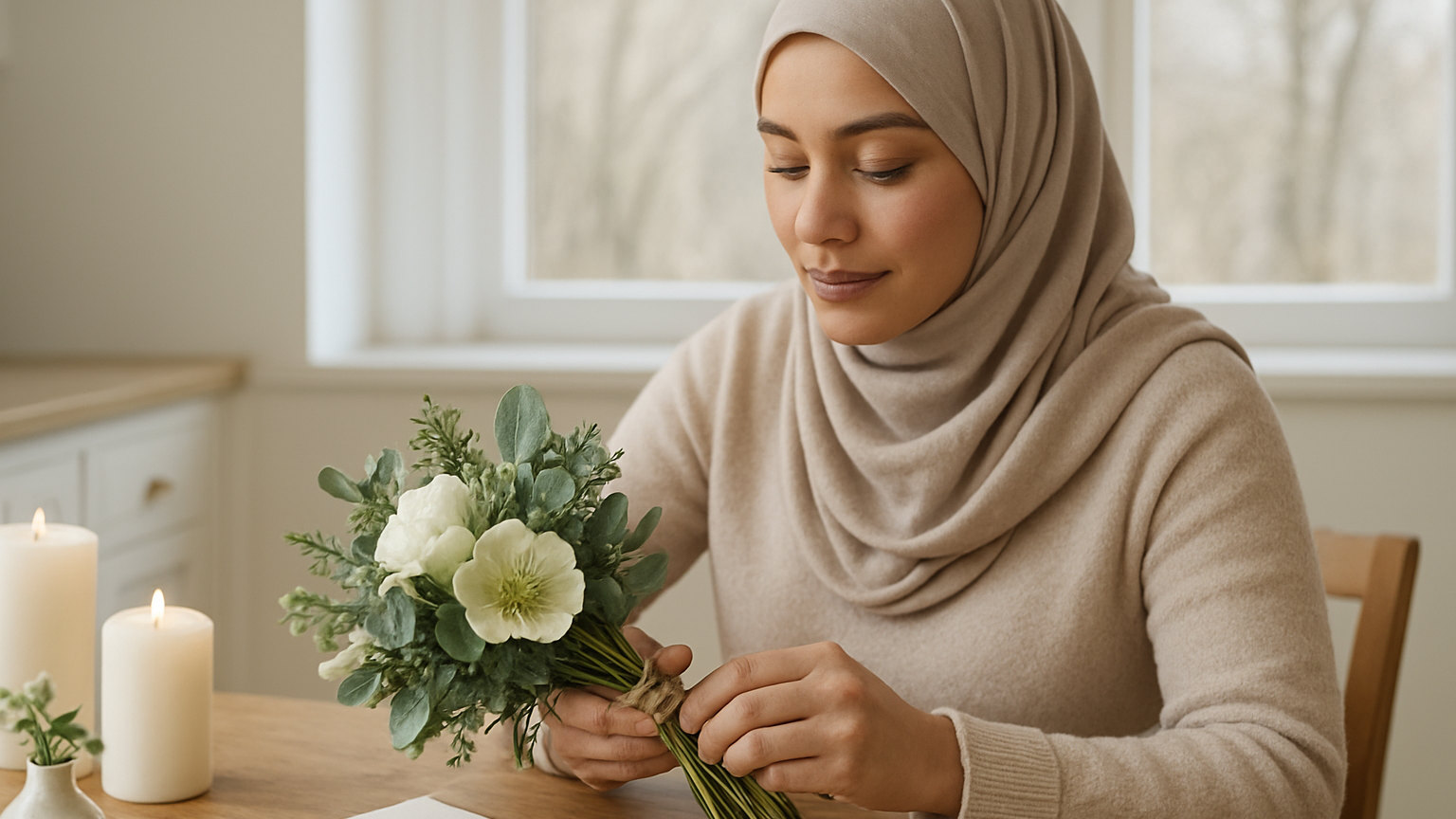
Preserving a bouquet works well and it is time critical. The flowers have to reach a preserver within a few days of the wedding, which means the arrangement is made beforehand rather than decided afterwards.
What are the main methods?
Pressing, which flattens flowers into a framed arrangement. Air drying, which keeps the three dimensional form in a muted palette. Freeze drying, which retains the most colour and shape and costs the most.
Setting flowers in resin is the fourth, producing blocks, coasters or jewellery, and it is increasingly popular.
How quickly do they have to be handled?
Within a few days, and sooner is better. Flowers begin to deteriorate immediately after the wedding and a bouquet left for a fortnight is generally too late.
That is the whole reason to arrange it in advance. Somebody has to take the bouquet from the venue and get it to a preserver while you are away.
Who arranges it?
A named person, briefed before the wedding, with the address and the timing. It is a small job and it is entirely dependent on somebody knowing about it.
Book the preserver ahead too, since good ones have waiting lists and need to know a bouquet is coming.
What does pressing produce?
A framed arrangement of flattened flowers, usually laid out as a design rather than as the original bouquet. It is the most common and generally the least expensive option.
Colours shift and fade somewhat, which is part of the character. Ask to see examples using flowers similar to yours.
What does air drying produce?
A dried version of the bouquet keeping its three dimensional shape, in the muted tones dried flowers take on.
It is the cheapest option and can be done at home by hanging the bouquet upside down in a dark, dry, well ventilated place for a few weeks.
What is freeze drying?
A professional process that removes moisture while retaining shape and much of the colour, producing the closest result to the original.
It is the most expensive by a considerable margin and it takes weeks or months. It is also the only method that keeps a bouquet looking like a bouquet.
What about resin?
Flowers dried and then set in clear resin as a block, a frame, coasters or jewellery. It is durable and it looks quite different from the original.
It suits somebody who wants an object rather than a preserved bouquet, and it uses only part of the flowers.
Which flowers preserve well?
Roses, hydrangea, lavender, gypsophila and most foliage. Very delicate or fleshy flowers preserve less reliably and colours shift unpredictably.
Ask the preserver what to expect from your specific flowers, since they will know which hold their colour and which do not.
Can you do it yourself?
Air drying and pressing, yes, and both are straightforward. Hang the bouquet upside down in the dark, or press individual flowers between paper under weight.
It takes weeks and it costs nothing. The results are less polished than professional work and perfectly good for a keepsake.
What should you arrange beforehand?
The preserver, the person taking the bouquet, the timing and where it goes in the meantime. Four things, settled in a single conversation before the wedding.
Without that, the bouquet sits in a hotel room for four days and the option closes. It is the most common reason preservation does not happen.
What does it cost?
Pressing and air drying are inexpensive, resin sits in the middle and freeze drying is substantially more. Prices vary widely, so get a quote before the wedding rather than after.
Is it worth it?
For anybody who wants a keepsake, yes, and it is the only wedding flower decision with a deadline attached. Everything else can be decided at leisure and this one cannot.
Book it before the wedding and give somebody the job of delivering it. Without both, the option quietly closes while you are away.


