
Booking a supplier and receiving what they make are two separate deadlines, and the second one is where most timeline problems appear. A stationer booked in good time is no help if the order is placed six weeks before the invitations need to be in the post.
Which lead times are genuinely long?
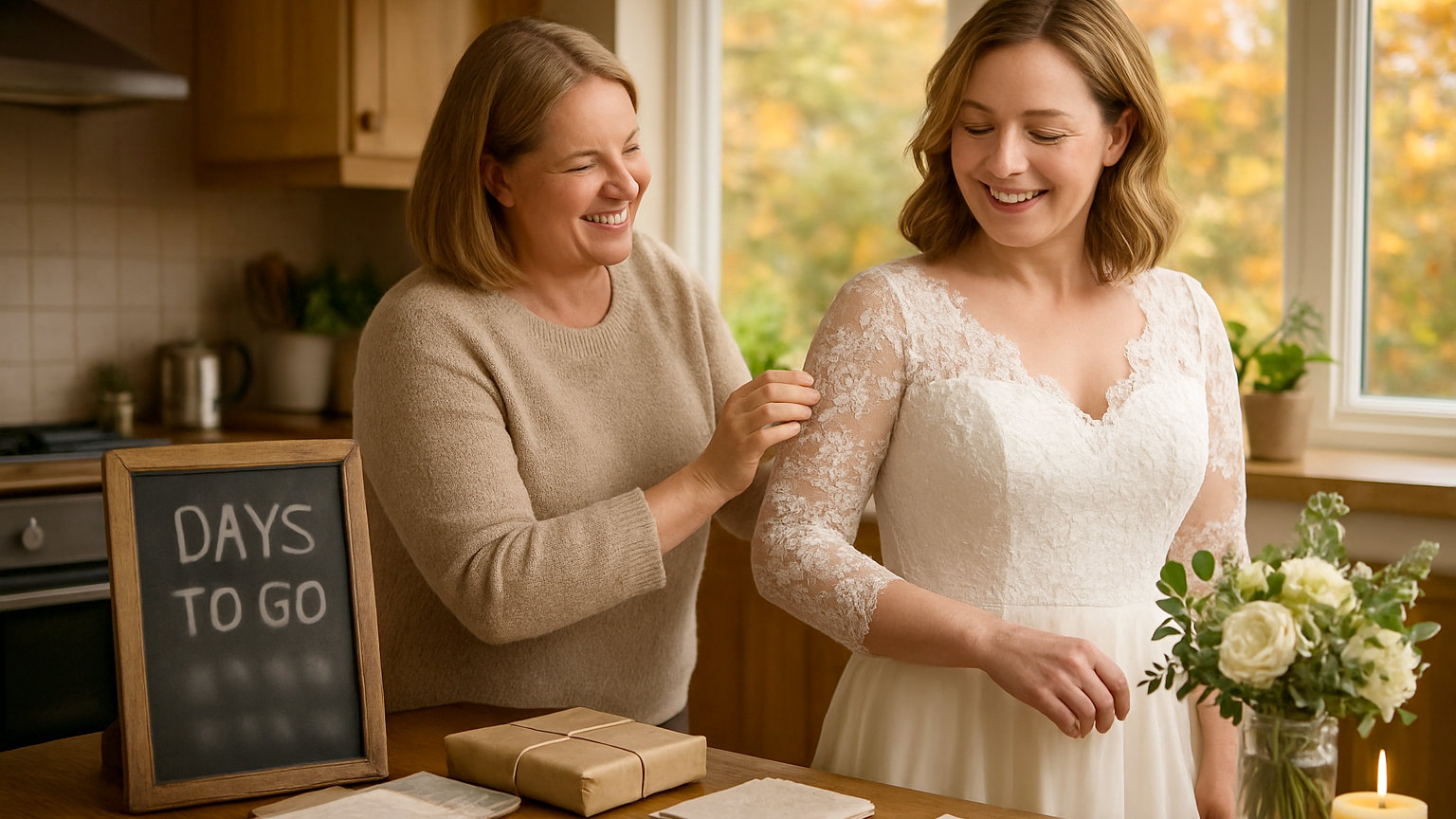
Three stand out. A wedding dress ordered new commonly takes four to six months from order to final fitting, and the alterations alone account for six to ten weeks of that. Made to measure menswear runs eight to twelve weeks. Rings that are made rather than bought from stock take six to twelve weeks, and engraving or resizing adds to that.
These are the deadlines that cannot be shortened by paying more in most cases, because the constraint is production rather than priority.
How long does wedding stationery take?
Longer than the printing suggests. The printing itself is usually two to three weeks. What takes the time is the design and proofing cycle, which involves at least two rounds of corrections and frequently three, because names and titles are always wrong the first time.
Allow six to eight weeks from first contact to invitations in hand for anything bespoke, and add more if the design is being created from scratch. Foiling, letterpress and hand finishing extend it further.
What about flowers and cake?
Both have surprisingly short production lead times and longer booking lead times. A florist needs your final brief around four to six weeks out and orders stock the week of the wedding. A cake maker needs the design settled around six weeks out and bakes in the final days.
The scarce resource is the date rather than the production, which is why both should be booked earlier than their lead times suggest and briefed later than couples expect.
Which lead times do people forget entirely?
Alterations, which is the single most common omission. A dress arriving on time is not the same as a dress fitting, and boutiques book alteration slots weeks ahead during summer. Ask about the alteration schedule when you order rather than when the dress arrives.
The other is anything personalised in small quantities. Signage, seating charts, table numbers and favours with names on them all depend on final numbers, which means they cannot be started until the replies are in.
How do lead times interact with the guest list?
Everything printed with names on it waits for the guest list, and the guest list waits for the replies. That chain is why the reply date should sit six to eight weeks before the wedding rather than a fortnight.
Work backwards from the item with the longest lead time that depends on names. If a seating chart takes two weeks to make, the plan has to be final three weeks out, which means the numbers have to be final four weeks out, which sets the reply date.
Do lead times change through the year?
Considerably. Every supplier who makes things is busiest between May and September, and quoted lead times in that window are often at the longer end of their range. The same order placed in January may be several weeks faster.
Ask for the lead time for your specific date rather than the general one on a website. Suppliers know exactly how busy their own production schedule is around a given weekend.
What should you do if you are already inside a lead time?
Change the product rather than pushing the deadline. Off the peg and sample dresses remove months. Digital invitations remove the printing cycle entirely. Stock rings are available immediately.
None of these are compromises in the way they are sometimes presented. They are the same category of item bought through a faster route, and no guest at any wedding has ever been able to tell which one was chosen.
How much slack should you build in?
Two weeks on anything made and four weeks on anything that has to be fitted or corrected. Lead times quoted by suppliers are working estimates rather than guarantees, and the ones that slip tend to slip at the end of a long chain when there is no room left to absorb it.


