
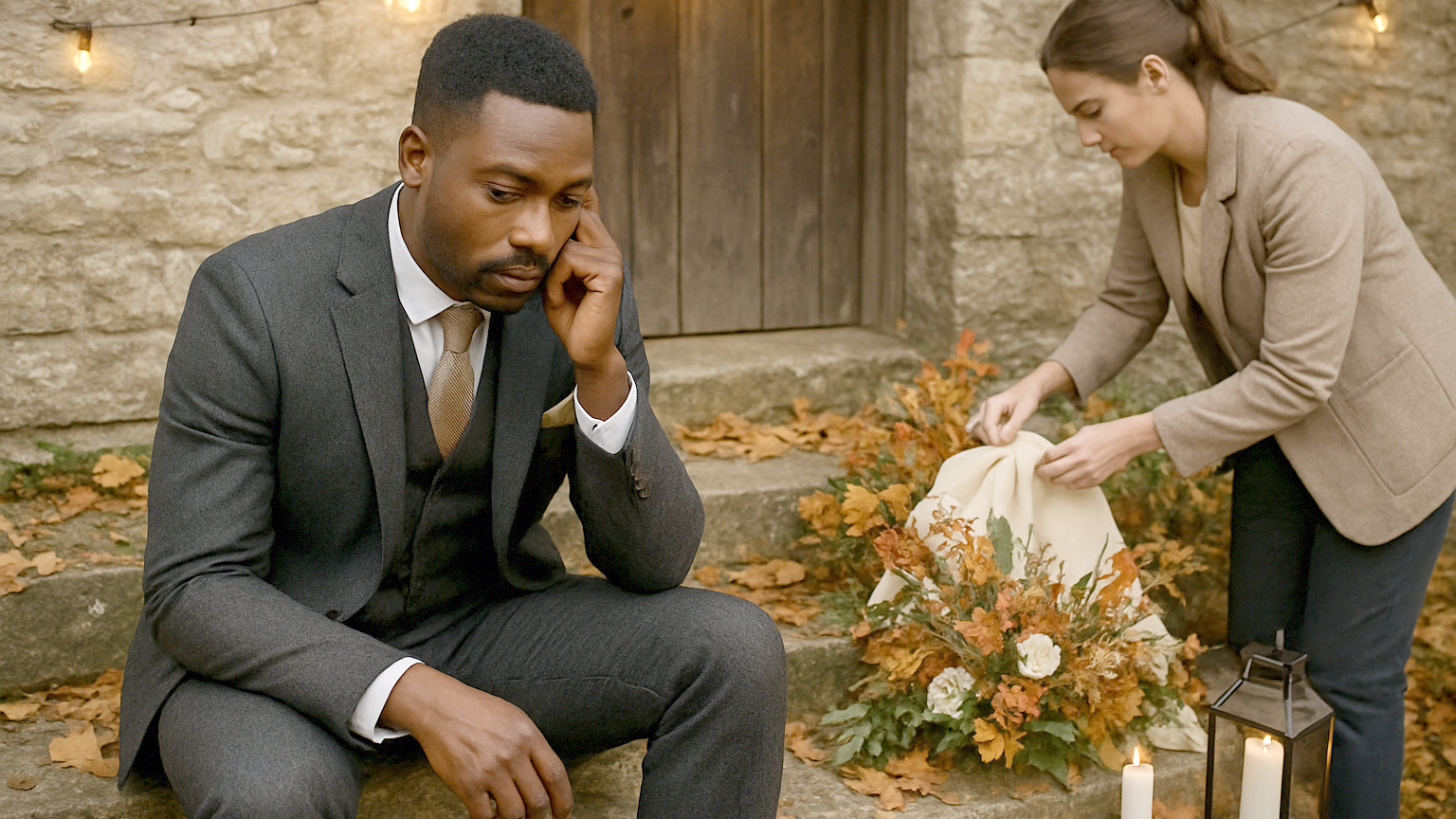
Feeling flat about your own wedding is considerably more common than the way weddings are talked about would suggest, and almost nobody says so at the time. It is usually a reaction to the planning rather than to the marriage, and it is worth understanding which before drawing any conclusions.
What usually causes it?
Fatigue, most often. A long engagement with a low level of wedding activity running through it for eighteen months is genuinely wearing, and the middle stretch is where enthusiasm most commonly drops away.
The second cause is that the wedding has stopped feeling like yours. Where family expectations, budget constraints or accumulated compromises have shaped it, it is entirely reasonable to feel disconnected from the result.
Is it a sign of anything?
Usually not. Planning an event is administration, some of it is dull, and finding it dull is not a verdict on your relationship.
Almost every couple has a period of not wanting to think about it. The ones who feel worst about that are generally the ones who assumed they were the only ones.
What helps with planning fatigue?
Stopping properly rather than continuing at a low level. Put the wedding down for a month if the timeline allows, with nothing scheduled and no discussion of it.
That works far better than trying to rekindle enthusiasm through more planning. A wedding that is always slightly present is more tiring than one that is intensely present twice.
What if it stopped feeling like yours?
Take something back. Choose one element that matters to you, whatever the size, and make it entirely your decision without consultation.
The ceremony is usually the right place, since it is the part actually about the two of you and the part most often handed over first. Readings, vows and music are worth reclaiming even from a plan that is otherwise settled.
Does cutting things help?
Frequently, and more than couples expect. A great deal of the flatness comes from a wedding that has grown beyond what either of you wanted, one reasonable addition at a time.
Removing elements is allowed at any stage. Fewer guests, fewer courses, no favours, no second outfit. Nobody notices absences, and a smaller wedding you actually want is a better day than a larger one you are enduring.
What about doubts that are not about the planning?
Those deserve attention rather than dismissal, and they are separate from fatigue. Feeling uneasy about the marriage itself is a different thing from feeling tired of choosing napkins.
Talk to somebody outside it, whether a friend, a GP or a counsellor. Relate offer relationship counselling and using it during an engagement is ordinary rather than alarming.
Can you still call it off?
Yes, at any point, and a great many people who have done so describe it as the right decision. It is expensive and it is briefly awful, and it is considerably smaller than the alternative.
If you are frightened of your partner rather than uncertain about the wedding, that is a different situation. The National Domestic Abuse Helpline is free and confidential on 0808 2000 247 at any hour.
What do people say afterwards?
That the day itself was almost entirely disconnected from how they felt during the planning. Couples who dreaded the run up frequently describe the wedding as one of the best days of their lives.
That is worth holding onto. The flat stretch in the middle of an engagement is a very poor predictor of the day, and if it is fatigue rather than doubt, the most useful thing you can do is rest rather than plan harder.
Should you tell your partner?
Yes, and phrase it as fatigue rather than as doubt if that is what it is. A partner who notices you have gone quiet and is not told why will usually assume something worse.
Frequently it turns out both of you feel the same and neither wanted to say so first, which is a considerably easier conversation than either of you expected.


