
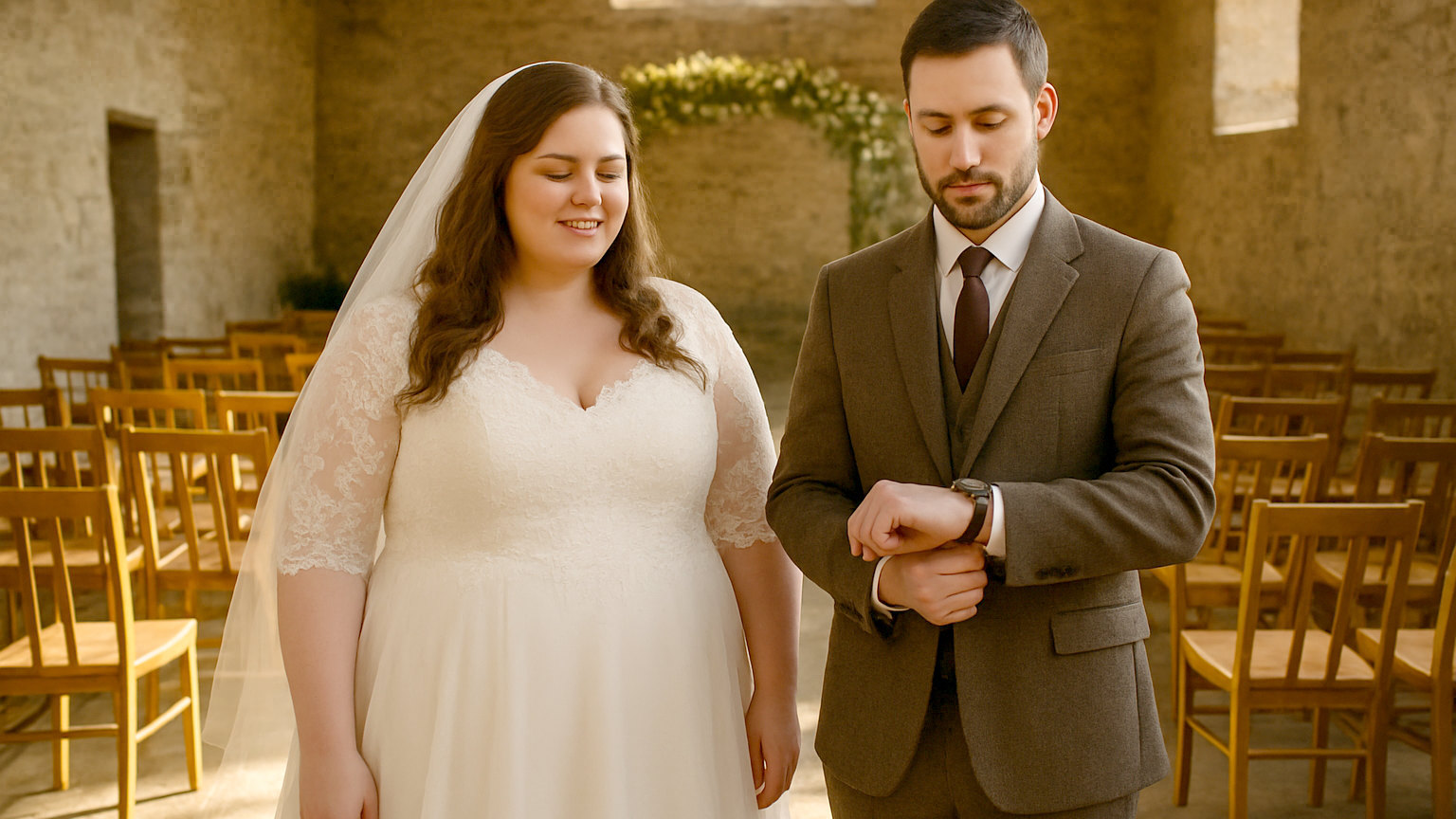
Ceremonies are considerably shorter than most people expect, which matters because the rest of the afternoon is built around them. Planning for thirty minutes when the ceremony takes fifteen produces a gap nobody has thought about.
How long is a civil ceremony?
A short register office ceremony can be ten to fifteen minutes. A civil ceremony at a venue with readings and music commonly runs twenty to thirty.
The legal core within that is only a few minutes. Everything else is the structure built around it.
How long is a religious ceremony?
Longer, typically thirty to sixty minutes depending on the denomination and whether there is a full service with hymns.
Ask the officiant for the realistic length of your specific service rather than a general figure, since it varies considerably.
How long is a celebrant ceremony?
Whatever you agree, and thirty to forty minutes is typical. Personal vows, several readings and family involvement all add time.
The celebrant will give you an accurate figure once the script is written, which is usually a few months before.
What else takes time?
Guests being seated beforehand, which takes longer than expected and starts well before the stated time. The signing afterwards. Getting a hundred and fifty people out of the room.
Allow fifteen to twenty minutes either side of the ceremony itself for all of that.
When should guests arrive?
Thirty minutes before the ceremony, stated on the invitation as an arrival time rather than the ceremony time.
Some will still arrive earlier, so somewhere to wait with a drink available is worth arranging.
What about the pre ceremony interviews?
Registrars see each of you separately beforehand, which means you need to be there earlier than guests and need a private space.
Ask what time they will arrive and build it into the morning. It is a common cause of a rushed start.
Does the length matter?
For the schedule, yes. The gap between the ceremony finishing and the meal starting is where the afternoon can drift, and a short ceremony makes that gap longer.
Plan the drinks reception around the actual finish time rather than an assumed one.
Should you make it longer?
Only if you want to. Readings, music and personal vows all add genuine content, and padding a ceremony to fill time does not improve it.
A short well judged ceremony is better than a long one, and guests sitting still for forty minutes notice the difference.
What about the confetti and photographs?
Immediately afterwards and they take longer than planned. Confetti alone can take fifteen minutes with a large guest list.
Group photographs are the other, and they are the most common cause of a delayed drinks reception.
What should you tell people?
The officiant, the photographer and the venue all need the realistic length rather than an estimate.
Get the figure from whoever is conducting it and put it on the running order that goes to everybody.
How does it affect the day?
The gap between the ceremony ending and the meal is set by it, and a shorter ceremony makes that gap longer.
Two to three hours of drinks reception is a long time for guests with nothing to do, so plan the afternoon from the actual finish time.
Can it overrun?
Rarely by much, since the officiant controls it. What overruns is everything around it, particularly photographs and getting people from one place to another.
What should the running order say?
The realistic length from the officiant rather than an estimate, with fifteen to twenty minutes either side for seating and clearing.
What is the practical figure?
Assume an hour from guests being seated to the drinks reception starting, whatever the ceremony length, and plan the afternoon from there.
Who needs the figure?
The venue, the photographer, the caterer and anybody arriving afterwards. All four plan around it and all four will otherwise guess.


