
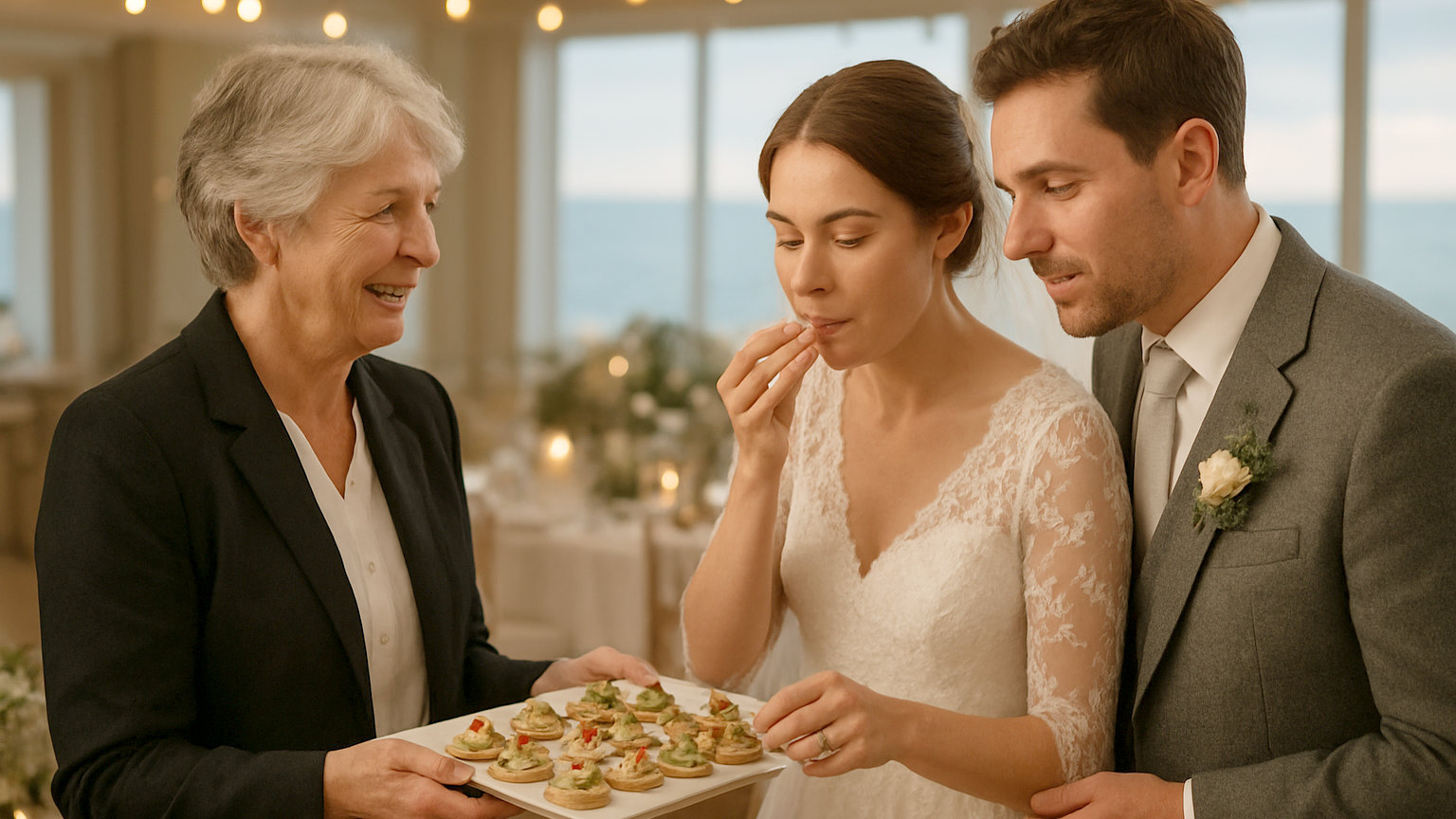
A tasting is the point at which the menu stops being a description and becomes food. It is also the last opportunity to change anything, which makes what you assess more important than whether you enjoy it.
When does it happen?
Usually three to six months before the wedding, after the menu is drafted and before choices go out to guests.
Ask when yours is at the point of booking, since it needs to sit before the pre order deadline rather than after.
Is it included?
Sometimes, and frequently charged, either as a fee or credited against the final bill. Some venues offer it only above a certain guest count.
Ask what it costs and how many people can attend, since bringing parents is common and may be extra.
What should you taste?
The actual menu you intend to serve rather than a showcase selection. Those are not always the same and it is worth asking specifically.
Include the vegetarian and any main alternative options. They are served to real guests and deserve the same assessment.
What should you assess?
Portion size first, which is the thing most often wrong and most easily missed when you are being served attentively in a quiet room.
Then seasoning, temperature and whether the dish would survive being plated fifteen minutes before it reaches a table.
How is it different from the day?
Enormously. A tasting is two portions cooked to order, and the wedding is a hundred and fifty plated across fifteen minutes.
Ask directly how each dish holds. A caterer will tell you honestly which ones travel and which are better replaced.
What should you ask?
How long service takes at your numbers, how many staff will work the meal, how dietary requirements are handled and what the portion size will be on the day.
Those four affect the meal more than the recipes do and none of them is on the menu.
Can you change things?
Yes, and that is the point of it. Substitutions, seasoning adjustments and portion changes are all reasonable requests at this stage.
Ask what a change costs before agreeing, since upgrades made in the moment appear on the final invoice.
What about the wine?
Many tastings include the wines from the package, which is worth taking seriously. Wine served with a hundred and fifty meals is a real cost.
Ask whether an upgrade is possible and what it costs per head, since it is one of the more noticeable improvements available.
Who should come?
The two of you, and one other person at most if you want a second opinion. It is a working meeting rather than a meal out.
Take notes, since three months later you will not remember which version of the starter you preferred.
What should you leave with?
A confirmed menu in writing, the portion size agreed, any changes noted and the deadline for guest choices.
Get it emailed rather than agreed verbally. The menu is the thing most likely to be remembered differently by both sides.
What if you do not like something?
Say so plainly. Caterers expect it and would far rather know at the tasting than serve something you were unhappy with to a hundred and fifty people.
Be specific about what is wrong, since seasoning, texture and portion are all fixable and a general reaction is not.
What is the most useful thing to check?
Portion size, since it is the most common difference between the tasting and the day and the easiest thing to miss when you are being served attentively.
Treat it as a working meeting rather than a meal out and it becomes the most useful hour in the catering process.
What should you take away?
A confirmed menu in writing, with the portion size and any changes noted, rather than a verbal agreement.
Should you bring anybody?
One other person at most, and only if their view genuinely matters. A crowded tasting produces opinions rather than decisions.


