
The catering format changes the cost, the timing and the atmosphere of a wedding considerably more than the menu does. It is worth deciding before the food, since it determines what is even possible.
What is plated service?
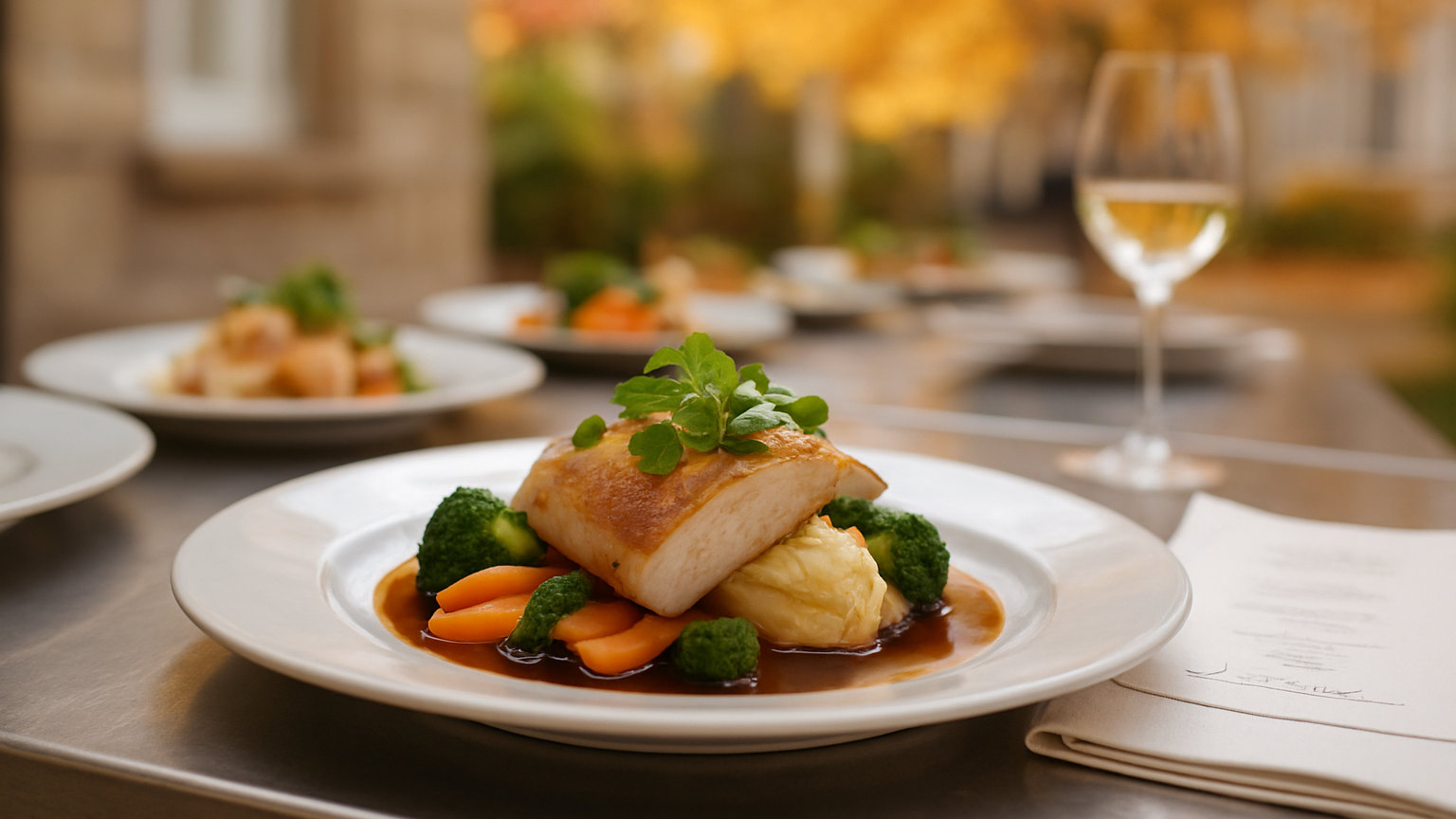
Individually served courses brought to each guest, which is the most formal option and the most staff intensive. It is also the most predictable in timing.
It requires a pre order in most cases, which is more administration for you and generally produces happier guests than a single set menu.
What is sharing or family style?
Platters placed on each table for guests to serve themselves. It is less formal, considerably more sociable and frequently cheaper than plated service.
It needs real space in the middle of the table, which affects the centrepiece and the table size. Ask the caterer how much before planning the styling.
Does a buffet cost less?
Sometimes, and less often than people assume. It reduces service staff and caterers frequently prepare more per head because portion control is harder.
At larger numbers it is also slower once queuing is counted, so ask for both quoted properly rather than assuming.
What about food stations?
Several serving points around the room with different offerings, which spreads the queue and gives guests choice.
It works well for a relaxed wedding and needs more space and more staff than a single buffet, so it is not automatically cheaper.
What about a barbecue or hog roast?
Commonly fifteen to forty pounds a head against seventy or more for plated dining, which makes it one of the largest savings available in catering.
It suits an outdoor or rustic venue and it needs a wet weather plan, since the cooking usually happens outside.
What about street food?
Vans or stalls serving to order, which guests enjoy and which brings its own atmosphere. Costs vary widely by operator.
Check access, power and space with the venue, since a van needs somewhere to park and frequently a generator.
What about a long lunch?
A late morning ceremony followed by a lunch is cheaper than an afternoon ceremony and dinner, because guests eat once rather than twice.
An afternoon reception with substantial canapes finishing at six removes the meal entirely and is a genuine wedding at a fraction of the cost.
Which format is fastest?
Plated service with adequate staffing, which is why it remains standard at larger weddings. A buffet for a hundred and fifty is slow unless there are several serving points.
Ask the caterer how long each format takes at your guest count. A meal running forty minutes long comes out of your evening.
How does the venue affect it?
Kitchen facilities determine what is possible. A venue with limited kitchen access rules out anything requiring cooking on site.
Ask the caterer to visit if there is any doubt. Kitchen facilities are the most common reason a format turns out not to work.
How should you choose?
By the feel you want and the budget, then check it works in the venue. A relaxed wedding suits sharing or stations, and a formal one suits plated.
Guests remember whether the food was good and whether it arrived promptly, not which format it was served in.
Can you mix them?
Frequently, and it works well. Plated starters with sharing mains, or a plated meal with street food in the evening, are both common.
Ask what the caterer can do rather than choosing from a list. Most will build something around what you want.
What should you check first?
Kitchen facilities, service space and staffing. All three constrain the format and none of them appears on a menu.
When should it be decided?
Early, since it determines the caterer, the budget and the shape of the afternoon. It is one of the first catering decisions rather than one of the last.
Whatever you choose, ask how long it takes and how many staff it needs. Those two answers matter more than the format name.


